A Custom Funnel + CRM for Window and Door Companies
9 min read · AstraLoop Studio
If you run a window and door company, your problem is almost never production. You know how to cut, assemble, install. The problem sits upstream and downstream: getting the right requests in the door and turning quotes into signed contracts. In between — from the moment someone fills out a form or calls, to the moment they accept an 8,000-euro quote to replace every window in the house — a huge amount of revenue leaks away. Not because of the salespeople, but because no system holds the whole flow together.
The ERP you use (for delivery notes, bills of materials, warehouse, production) was never built for this. And the agencies that pitched you "Facebook campaigns" stop at the lead, without telling you what happens next. Here I'll walk you through, concretely, how to build a system that combines an acquisition funnel with a custom CRM built around the specific sales cycle of window and door sellers: long, with a site survey, a technical quote, and decision times ranging from a week to six months.
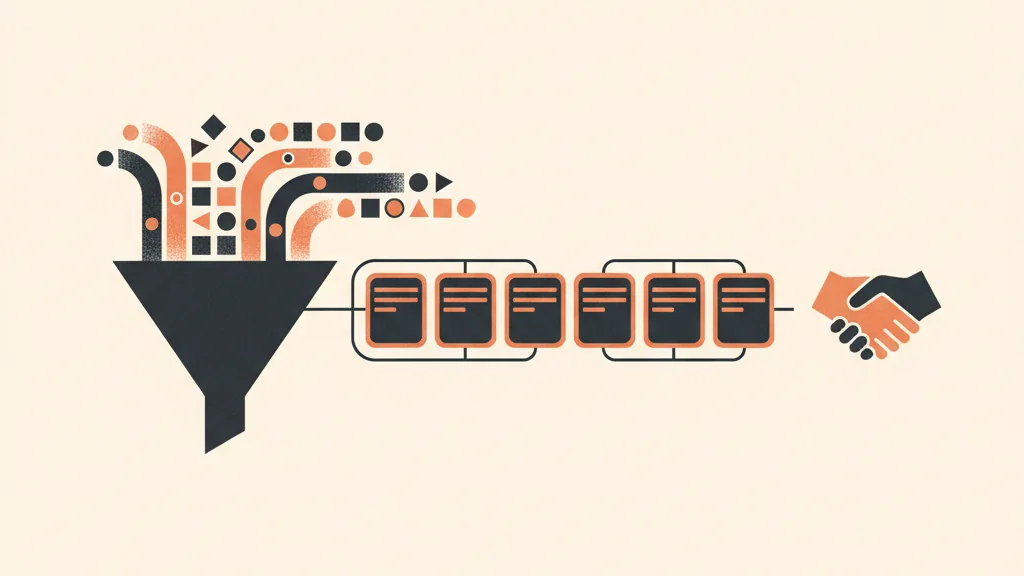
Why the ERP covers production but not acquisition
There's a common misconception in the industry. Many owners think they "already have a CRM" because the ERP logs customers, jobs, and invoices. But that's an accounting and production archive, not a sales system. The difference is huge, and it's worth spelling out, because it's the same difference between a funnel and a CRM.
An ERP tells you what has already happened: this customer ordered 6 PVC windows on March 12th. A sales CRM tells you what's about to happen and what you need to do right now: this contact requested a quote 9 days ago, received the offer, hasn't replied yet, and the salesperson was supposed to call back Tuesday and didn't. These are two different worlds. The first closes the accounting loop; the second stops money from walking out the door before it ever comes in.
The real gap, though, sits further upstream. The ERP doesn't generate contacts. It has no landing page, doesn't intercept people searching "window replacement tax deduction," doesn't run remarketing, doesn't distinguish someone with a real budget from someone just browsing. That part — acquisition — is left uncovered. And the agencies that should be covering it usually just hand you raw leads that nobody ever works.
What happens without a single system
The script is always the same, company after company:
- Contacts arrive from disconnected sources: phone calls, website forms, WhatsApp messages, word of mouth, the salesperson's Excel sheet.
- The site survey happens (often), the quote gets put together (sometimes days late), and then the quote vanishes into thin air.
- Nobody knows how many quotes are currently open, for what total value, or how many days they've been sitting there.
- Follow-up depends on one salesperson's memory. If they're busy on a job site, the lukewarm customer cools off and goes to the competitor who simply called back first.
In the window and door industry, the close rate on well-handled quotes can sit between 25% and 40%, but without structured follow-up it easily drops below 15%. The gap between 15% and 30% on an average ticket of 6,000 or 9,000 euros, multiplied across dozens of quotes a month, is the difference between a company that struggles and one that grows.
What the window and door sales cycle looks like (and why it needs a custom fit)
A standard CRM like HubSpot or Salesforce is built for B2B software or e-commerce. The window and door installer's cycle is a different animal, with stages a generalist CRM doesn't model well. That's why so many SMBs find the ERP too rigid and the standard CRM oversized: the answer usually sits in the middle, in a custom CRM with an integrated funnel.
The typical stages of a window and door sale look like this:
- Request: a lead comes in, online or by phone. It needs qualifying: type of job (full renovation, partial replacement, new construction), number of units, material (PVC, aluminum, wood), area, timeline, whether a tax deduction application is involved.
- Site survey: a technical appointment to take measurements. Precious time gets lost here if it isn't scheduled well.
- Quote: technical and commercial offer, often with variants (double or triple glazing, colors, motorized shutters).
- Negotiation and follow-up: the stage where deals are won or lost. The customer is comparing you against 2 or 3 competitors.
- Signature and deposit: order confirmed.
- Production, installation, testing: this is where the ERP comes back in.
A custom system maps these stages exactly as pipeline states. Every contact sits in one precise state, with a "next step" and a date attached. Quotes never get forgotten again, because a quote sitting in "sent" status for more than X days without a reply automatically triggers a reminder for the salesperson or, better still, an automated sales follow-up.
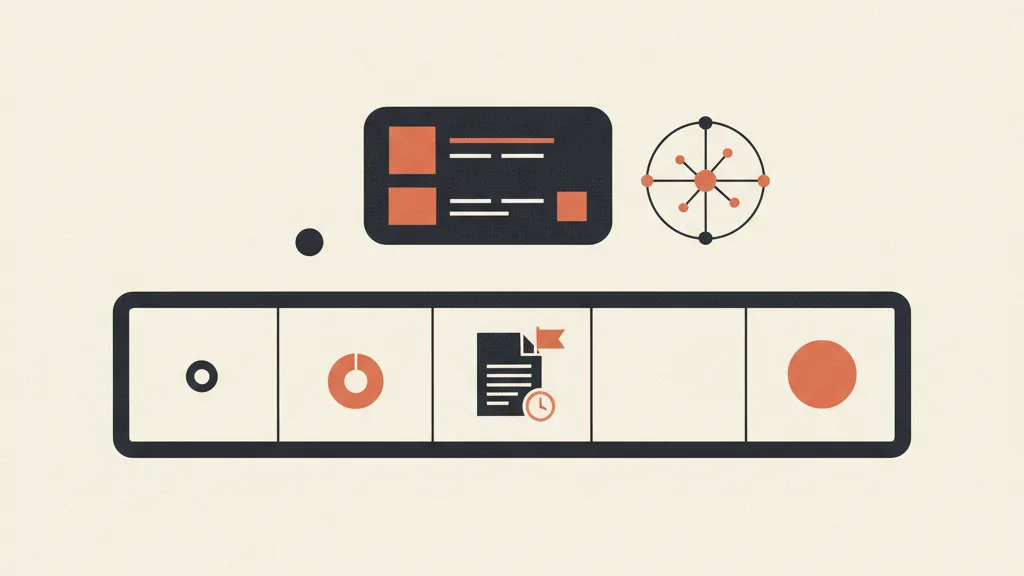
The funnel that feeds the CRM: from lead to quote
The funnel is the piece the ERP doesn't have, and the one generalist agencies get wrong. It's not "running an ad." It's an acquisition engine that brings qualified contacts into the CRM already sorted. It follows the logic of the funnel that feeds the CRM: no request gets lost along the way, because every channel drops into the same place.
Where contacts come from in the window and door business
- Local search (Google): people searching "window replacement + city," "PVC window quote," or "window tax incentive 2026" have very high intent. A well-built landing page plus Google Ads campaigns catch that hot demand.
- Meta (Facebook and Instagram): here demand is latent, but visuals work well (before-and-after renovation shots, installation videos). Useful for filling the top of the funnel and running remarketing.
- Website and SEO: content on tax deductions, materials, sound insulation. Brings steady traffic and builds credibility over time.
- Word of mouth and dormant customers: your database of past customers is gold. Someone who replaced their windows 8 years ago might now need a security door or a screen. It's worth reactivating the database before spending on new leads at all.
The key point: all these channels need to drop into the same CRM, not into separate inboxes. A Facebook lead, a Google lead, and a phone call all need to land in the same pipeline, with the source tracked. That way you actually know which channel brings you customers who sign, not just clicks.
Qualification: the filter that saves you site surveys
In your business, a site survey costs money: a technician, a vehicle, half a day. Sending someone out to take measurements for a contact who just wanted "a rough price idea" burns margin. That's why lead qualification is central. A smart form or a WhatsApp AI agent can immediately ask how many units, what kind of job, what timeline, and filter out anyone who isn't ready. Only contacts that pass the filter get booked in for a site survey.
This is also the moment where a qualified lead is separated from a mere browser: if you want to dig deeper into the logic, look at the difference between MQL and SQL.
Where the money leaks: the quote nobody chases
If you had to point to the single spot where window and door companies leave the most revenue on the table, it's this: quotes sent and never followed up on. The customer asked, you did the site survey and put together the quote (real cost already incurred), and then the contact dies in silence.
The reasons are mundane: the salesperson is tied up on job sites, forgets, or thinks "if they're interested, they'll call back." But the customer is comparing 3 quotes and picks whoever reaches out first with an answer to that nagging question about the glazing or the timeline. A serious system has automatic recovery of unclosed quotes: after N days, a message goes out, an email, a notification to the salesperson. Simple, but it moves the numbers dramatically.
| Situation | Without a system | With a custom funnel + CRM |
|---|---|---|
| Lead source tracking | Absent or on Excel | Automatic, per channel |
| Site surveys on unqualified leads | Frequent (margin burned) | Reduced by pre-appointment filter |
| Visibility on open quotes | Nobody knows the exact figure | Real-time dashboard with total value |
| Quote follow-up | Left to the salesperson's memory | Automatic after X days |
| Typical close rate | 10-15% | 25-35% |
Want to see how many quotes you're losing to missed follow-up? Tell us how you work today and we'll show you where a custom funnel + CRM system fits in. Request a free analysis of your sales process.
What the complete system needs to do, in practice
Let's put the pieces together. A custom funnel + CRM system for a window and door company should cover, at a minimum:
- Multi-channel capture: website forms, Google Ads, Meta, WhatsApp, and phone calls all flow into a single pipeline with the source tracked.
- Automatic qualification: a filter on leads before the site survey, using your own criteria (number of units, area, timeline, type of job).
- Staged pipeline: request, survey scheduled, quote sent, in negotiation, won, lost. Every stage carries a next action and a date.
- Follow-up automations: reminders for the site survey, quote recovery after a set number of days, a sequence for lukewarm leads.
- Management dashboard: how many leads this month, by channel, cost per contact, open quotes and their value, close rate per salesperson.
- ERP integration: when a quote turns into a "won" deal, the data passes to the ERP for production and invoicing. The CRM sits in front, the ERP behind. They don't replace each other, they talk to each other.
On this last point it's worth being blunt: you don't have to throw out your ERP. The right question isn't "ERP or CRM," it's how to make them work together. If you're weighing building in-house, off-the-shelf software, or a custom solution, the build-or-buy logic between a custom CRM and an ERP helps you decide without wasting money.
Custom or standard? When it's actually worth it
A standard CRM works perfectly well for many linear businesses. The window and door industry, though, has quirks (technical site surveys, quotes with variants, tax deduction paperwork, long timelines) that often force you to bend standard software with custom fields and workarounds until it becomes unwieldy. You'll find an honest assessment in custom vs. standard CRM, which to choose: the answer depends on your volume, your number of salespeople, and how far your process strays from the standard.
How much does it cost? It depends on complexity, but it helps to have a realistic ballpark before you start: see how much a custom CRM costs. The right yardstick isn't the sticker price, it's the return. If the system gets you even 3 or 4 extra 6,000-euro quotes closed a month, it pays for itself fast.
Where to start (without overhauling everything)
You don't need to shut the company down for six months. The sensible approach is phased:
- Map the real process: how contacts arrive today, who works them, where they get lost. One day of analysis is worth more than months of the wrong software.
- Secure the bottleneck: it's almost always quote follow-up. Start there, the return is immediate.
- Connect your acquisition channels: turn on or fix the funnel (landing page, Google, Meta) and route it into the CRM.
- Automate the repetitive parts: reminders, qualification, quote recovery. This is where AI-driven process automation frees up time for salespeople to do what they're good at, which is selling.
- Measure: without numbers (cost per lead, close rate, value of open quotes) you're flying blind. With numbers you know where to push.
If you want the full picture of how these pieces form a single machine, the reference is the customer acquisition system: the funnel brings in the contacts, the CRM turns them into customers, and the automations keep everything running without depending on anyone's memory.
In short
The ERP manages production, not sales. Standalone campaigns bring in leads nobody works. What makes the difference for a window and door company is a single system where the funnel feeds a CRM built around your real cycle: qualification before the site survey, a staged pipeline, automatic quote follow-up, a dashboard with real numbers, and a bridge to the ERP downstream. It's not technology for technology's sake. It's how you stop losing 8,000-euro quotes because nobody called back in time.
Frequently asked questions
Isn't an ERP for windows and doors enough as a CRM?
No. The ERP logs orders, production, and invoices — in other words, what has already happened. It doesn't generate contacts, doesn't manage the sales pipeline, and doesn't follow up on open quotes. You need a sales CRM sitting in front of the ERP, passing data to it only once the order is confirmed.
Why do I need a custom CRM instead of a standard one like HubSpot?
The window and door installer's cycle (technical site survey, quotes with variants, tax deduction paperwork, long timelines) doesn't fit well into generalist CRMs built for software or e-commerce. A standard one can be used, but it often has to be bent with workarounds until it becomes unwieldy. Custom means modeling your exact stages, without forcing anything.
What's the mistake that costs window and door companies the most revenue?
The quote that's sent and never followed up on. You've already covered the cost of the site survey and the offer, then the contact goes silent while comparing 2 or 3 competitors. Automatic follow-up after a few days recovers a meaningful share of these quotes and raises the close rate.
How does the acquisition funnel work for window and door sellers?
It intercepts local demand on Google (people searching for window replacement, window quotes, window tax incentives), uses Meta for latent demand and remarketing, and leverages SEO and reactivating past customers. All channels drop into the same CRM with the source tracked, so you know which one actually brings customers who sign.
How much does a custom funnel + CRM system cost?
It depends on the complexity of your process, the number of salespeople, and the automations required. The right yardstick isn't the sticker price but the return: if you recover even 3 or 4 extra quotes a month worth a few thousand euros each, the investment pays for itself fast. The most useful first step is an analysis of your actual process.
Do I have to throw out the ERP I already use?
No. The ERP and the CRM don't replace each other, they talk to each other. The CRM sits in front (acquisition, sales, quotes), the ERP sits behind (production, warehouse, invoicing). When a quote becomes a won order, the data passes to the ERP. It's a matter of integration, not replacement.
If you sell windows and doors and want to stop losing quotes along the way, let's talk: we'll design a custom funnel + CRM built around your real sales cycle, from lead to signature.