Facebook Ads for Black Friday and the holidays: getting your campaigns ready
9 min read · AstraLoop Studio
Black Friday on Facebook and Instagram isn't won in November. It's won in October, while costs are still low and nobody's fighting over the same ad space yet. Whoever shows up right before the big weekend with a cold account, zero creative in reserve, and a pixel starved for data pays the steepest bill of all: sky-high CPMs, an algorithm still in learning mode, and budget burned learning things it could have learned earlier.
In this article we look at how to prepare your campaigns so you're ready for the year-end peak: how the Q4 auction works, why CPMs climb, how to warm up your audience ahead of time, how much creative to bank, how to set up your offer, and why holding the remarketing line (including in so-called Q5, the post-holiday stretch in January) is the part almost everyone forgets.
This is an evergreen guide: the mechanics we cover apply to any peak season, not one specific year.
Why Q4 CPMs climb (and what it means for you)
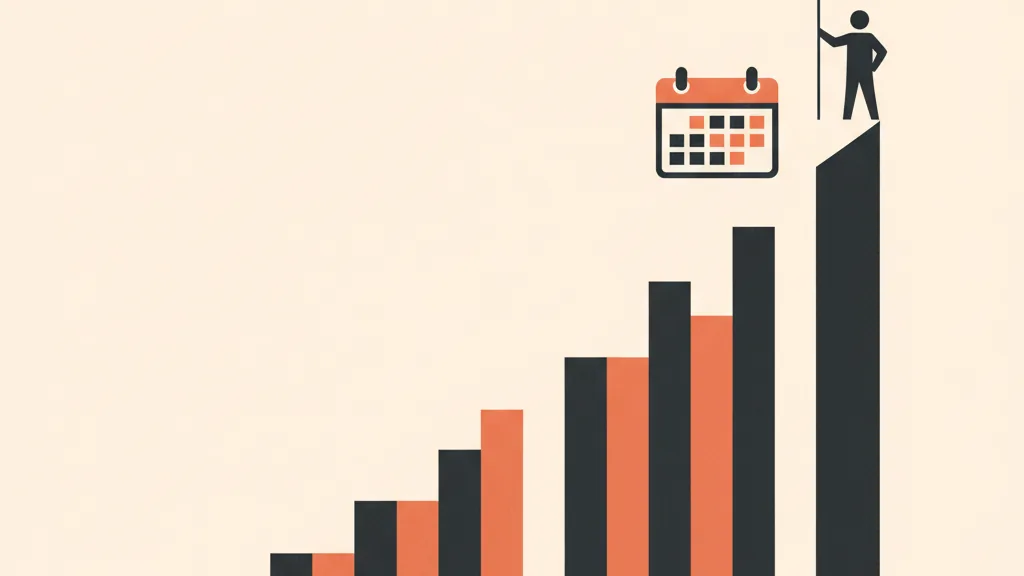
CPM, the cost per thousand impressions, is set by an auction on Meta. You're not just competing with your direct competitors: you're competing with every advertiser trying to reach the same type of person at the same moment. From late October onward, demand for ad space explodes. Ecommerce brands, retailers, big and small, all pour budget into the platform, while the supply of impressions stays roughly the same.
The result is predictable. In the weeks around Black Friday and in the pre-Christmas run-up, CPMs can climb sharply above the yearly average, with even bigger spikes on the hottest days: Black Friday itself, Cyber Monday, the last days for delivery before Christmas. It's not something broken in your account, it's the seasonality of the auction.
That changes two things about how you need to think.
- The cost of "learning" goes up. Every euro spent in November to get out of the learning phase is worth less than a euro spent in October. If the algorithm still has to figure out who your customer is right when clicks cost the most, you're paying for training at the worst possible time.
- The margin for error shrinks. A weak creative or a fuzzy offer that costs you a few dozen euros in March costs you a lot more in late November, because every impression is more expensive.
There's only one practical takeaway: learning has to happen earlier, while it's cheap. Arriving at the peak with campaigns already stable, a well-fed pixel, and a warmed-up audience lets you spend during Q4 to convert, not to figure things out.
Phase 1 (October): warm up the audience before costs rise
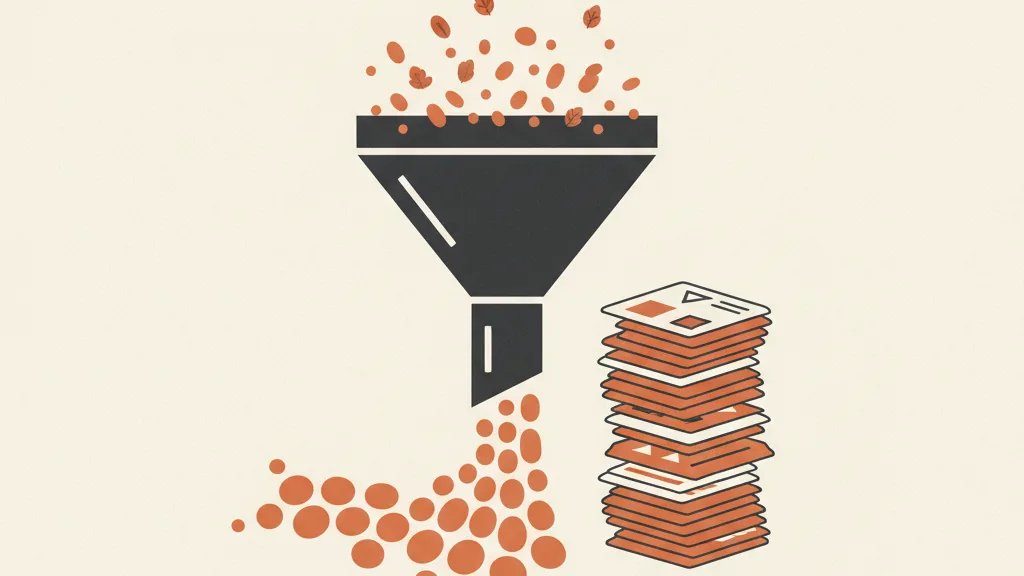
Audience warm-up is the most underrated part of the whole plan. The idea is simple: in the weeks when CPMs are still low, fill the top and middle of your funnel with people you'll be able to re-engage in November at a much lower cost than a completely cold audience.
What to actually do
- Low-budget traffic and video-view campaigns to build audiences of people who've already seen the brand. A product video watched to 50% or 75% is a signal worth its weight in gold come December.
- Value content, not just sales pitches. Posts that explain the product, show it in real use, share a behind-the-scenes look. They build a warm audience without burning the special offer too early.
- Grow your remarketing lists: site visitors, people who added to cart, people who engaged with your Instagram and Facebook profiles. These lists are what becomes your most efficient weapon in November.
If you work with a structured funnel across TOFU, MOFU and BOFU layers, October is the month you fill the TOFU and MOFU. That way, once the offer launches, you already have a reservoir of lukewarm people to push toward purchase, instead of paying full price to warm them up from scratch. It's also worth revisiting the customer journey on Meta Ads to see where it makes the most sense to step in early.
The hidden upside: data for the algorithm
Warming up the audience doesn't just help you, it helps Meta's optimization system too. The more quality events you collect before the peak (visits, add-to-carts, purchases), the better Advantage+ and the rest of the automation perform during Q4. A starved pixel walks into Black Friday blind; a well-fed pixel already knows who to show your ads to. If your tracking isn't solid, now's the time to fix the Conversions API before traffic spikes: in the holiday period, one lost event is one lost customer.
Phase 2: stockpile creative
In Q4, creative fatigue arrives sooner and hits harder. With high CPMs and frequency climbing fast, an ad that would have lasted three weeks in September burns out in a matter of days in November. If you don't have replacements ready, you end up producing creative in a rush at the exact moment of maximum pressure, and quality suffers.
The rule is simple: go into Black Friday with more creative than you think you'll need. It's far better to have ten ready and use five than to have three and run dry mid-campaign. If you've ever wondered how much creative you need each month, that number should easily be doubled during the holiday period.
What kind of creative to prepare
- Variants of your main offer: the same discount played out through different angles (urgency, euro savings, bundles, free shipping).
- Different formats to avoid wearing out the audience: static images, carousels, short videos, UGC-style content that looks organic and holds up better under high frequency.
- Season-specific creative that instantly communicates context (Black Friday, last days, guaranteed delivery before Christmas). A good starting point is our roundup of creative built for sales and holidays.
This is where generative AI changes the rules of the game: producing dozens of variants of the same creative, testing different hooks, and adapting formats becomes a matter of hours, not days. If you want to understand how to produce ad creative with AI, Q4 is exactly the moment this advantage turns into margin. The important thing is not to lose quality control: lots of mediocre creative burns budget, lots of good creative multiplies it. Before you launch anything, run it through a copy review checklist.
Test before, not during
Creative testing should happen in October, when mistakes are cheap. You arrive at the peak already knowing which angles work and can focus budget on those. If you don't have a method, this approach to creative testing saves you from wasting expensive impressions to discover the obvious in November.
Phase 3: the offer has to be clear and credible
With high CPMs, the click is decided in an instant. A confusing offer (overlapping discounts, unreadable terms, "up to" with no numbers) loses you the sale at the exact moment every click costs the most. In Q4, clarity beats elaborate creative.
- One dominant message per campaign. "30% off everything until Sunday" beats three different promotions crammed into the same ad.
- Real urgency, not fake urgency. Real countdowns, real stock levels, real deadlines. Italian audiences are wary of inflated urgency, and by the holiday season they've already seen it a thousand times.
- Explicit price and savings. Show the before and after. In the noise of Black Friday, whoever fails to make the savings clear in two seconds loses.
If you're building the offer from scratch, this guide on how to create an irresistible offer will help you structure it. And remember that a landing page consistent with the ad is half the job: send that expensive Q4 traffic to a high-converting landing page, not to a generic homepage.
Want to walk into the next peak season with a warm audience, a creative stockpile, and remarketing already in place? Request a review of your campaigns: let's find out together where to step in before CPMs climb.
Phase 4: remarketing is where the margin gets made
Here's the point that separates those who survive Black Friday from those who actually profit from it. During the peak, cold audiences cost a fortune: you're paying the full auction price to reach people who don't know you yet. Remarketing, on the other hand, hits people you've already warmed up in the preceding weeks, at a much lower cost per result.
This is exactly why Phase 1, the October warm-up, matters so much: it builds precisely the audience that converts at the best cost during Q4. On the hottest days, shift a significant share of budget to remarketing.
- People who viewed products or categories without buying.
- Abandoned carts and checkouts: the audience closest to converting, period.
- Existing customers for upsell and repeat purchase, typically the segment with the highest return.
- People who engaged with your October videos and content but haven't reached the site yet.
Dig deeper into the tactics in our guide to remarketing on Meta. This is where the link between advertising and business data becomes decisive: if you connect your offline CRM conversions to Meta, the algorithm optimizes on real purchases instead of just clicks, and in Q4 that difference shows up fully in your return.
Don't neglect buyers: the list is built right now
Black Friday isn't just about immediate sales, it's the moment a flood of new leads and customers walks through the door. Whoever treats them as disposable, one-off sales leaves the most profitable part on the table. Every Q4 buyer is a candidate for a January repeat purchase, for upsell, and for next year's campaigns. Setting up a retention strategy right away and putting these contacts into a custom-built CRM means capitalizing on the expensive traffic you just paid for, instead of starting from zero again in February.
Q5: January's hidden peak
Many advertisers shut everything down on December 26th and switch back on at the end of January. That's a mistake. So-called Q5, the weeks right after the holidays, is an underrated window for one simple reason: CPMs crash. Most advertisers have run out of budget or paused, the auction empties out, and ad space gets cheap again.
On the other side, plenty of people have gift cards to spend, have put off expensive purchases during the holidays, or are in "New Year's resolution" mode (fitness, organization, education, wellness). The result is a rare combination: low costs and purchase intent that's still high.
How to make the most of Q5
- Don't shut down, scale down. Keep your top-performing campaigns live at a reduced budget, instead of zeroing everything out and restarting cold in February.
- Re-engage the people who didn't buy in November. The audience warmed up in Q4 is still lukewarm: a fresh January offer often converts them.
- Lean into New Year's resolutions with messaging that matches the moment (fresh start, getting in shape, getting organized), if the product fits.
- Recover carts abandoned in the holiday chaos, now that people have more headspace to decide.
Whoever holds the line in January at low cost takes home sales that would cost far more in other months. It's the natural complement to Black Friday, not an afterthought.
How to structure budget over time
Distributing budget the right way matters as much as the total budget itself. The common mistake is dumping everything into Black Friday week and arriving with a cold account. Better to think in phases.
| Phase | Rough timing | Goal | Spending priority |
|---|---|---|---|
| Warm-up | 4-6 weeks before | Fill the funnel, feed the pixel, test creative | Traffic, video, content (modest budget) |
| Pre-peak | 1-2 weeks before | Teasers, early access, waitlist | MOFU and first offers to the warm audience |
| Peak | Hot days (Black Friday, Cyber Monday) | Maximize conversions | Heavy remarketing plus prospecting on the offer |
| Q5 | Post-holiday January | Low-CPM sales, re-engagement | Remarketing plus fresh offers, reduced but active budget |
The exact percentages depend on your margin, average order value, and how large a warm audience you can build beforehand. If you want a method for scaling budget on Meta without derailing the learning phase, avoid abrupt jumps right on peak days: scale up gradually and steadily.
The mistakes that cost the most in Q4
- Starting too late. Starting in November means paying for learning at the highest price. Warm-up happens in October.
- Touching campaigns on hot days. Abruptly changing audience, creative, or budget during the peak resets optimization at the worst possible moment. Testing happens beforehand.
- Underestimating your creative stockpile. Running dry mid-Black-Friday, with frequency through the roof, is one of the most common mistakes. Check out our rundown of common Meta Ads mistakes to avoid the classics.
- Shutting everything down at the end of December. Q5 is money left on the table.
- Not tracking conversions properly. During the holidays, shaky tracking skews optimization at the exact moment every euro counts. Check your pixel and Conversions API beforehand, not during.
In short
Black Friday on Facebook and Instagram rewards preparation, not improvisation. CPMs rise because the auction gets crowded, so learning needs to move to October, while it's still cheap. Warm up the audience early, stockpile more creative than you think you'll use, make the offer crystal clear, shift budget to remarketing on the hot days, and don't shut down in January, because Q5 is a hidden profitability peak. Whoever arrives ready spends to sell; whoever arrives unprepared spends to learn, and in Q4 that lesson is the most expensive one of the year.
Frequently asked questions
When should you start preparing Facebook Ads for Black Friday?
Ideally 4-6 weeks ahead, so in October. During that window CPMs are still low and you can warm up the audience, feed the pixel, and test creative without paying full auction price. Whoever starts in November pays for learning at the most expensive time of year.
Why do CPMs rise during Q4 and the holidays?
Because the ad auction gets crowded. From late October onward, a huge number of advertisers pour budget into Meta to catch holiday shopping, while the supply of impressions stays stable. More demand for the same space means higher cost per thousand impressions, with spikes on hot days like Black Friday and Cyber Monday.
How much creative do you need for the Black Friday period?
More than you think. With high CPMs, frequency climbs fast and creative burns out within days. It's better to arrive at the peak with a generous stockpile (easily double your normal pace) and rotate it, so you avoid producing in a rush at the moment of maximum pressure.
What is Q5 in advertising?
It's the period right after the holidays, typically the weeks of January. It's not a real quarter, just a way to flag an underrated window: CPMs crash because many advertisers pause spending, while people have gift cards to spend and are in resolution mode. Low costs and high purchase intent, together.
Should you target cold audiences or remarketing during Black Friday?
Both, but on hot days remarketing is almost always more profitable: it hits people already warmed up at a much lower cost per result than cold audiences, which get very expensive in Q4. That's exactly why the October warm-up matters so much, it builds the audience that converts best later on.
Is it worth turning off campaigns after Christmas?
No, it's better to scale down than to zero out. Shutting everything down means missing Q5, the low-cost January window, and having to restart cold in February and go back through the learning phase. Keep your top campaigns live at a reduced budget and re-engage people who didn't buy during the holidays.
If you want to turn Black Friday traffic into customers who come back in January and beyond, let's talk: we'll help you connect Facebook Ads, remarketing, and your CRM into one system.