Producing Ad Creatives with AI: the 2026 Workflow
7 min read · AstraLoop Studio
In 2026, the bottleneck of a Meta or TikTok campaign is no longer budget, and it isn't targeting either. With Advantage+ and the Andromeda era, the algorithm decides who sees what: your job is to feed it enough different creatives to test. And this is where almost every company gets stuck, because producing fifteen or twenty ad variants the classic way (brief, designer, revisions, exports) eats up days and several hundred euros.
AI image generation flips the equation. Not because it "does everything on its own" (it doesn't), but because it moves people's work to where it matters most — concept and offer — and industrializes the repetitive part: composing the scene, adapting formats, multiplying variants. Here's a concrete workflow for producing ad creatives with AI systematically, not through improvised prompts.
Why creative production became the bottleneck
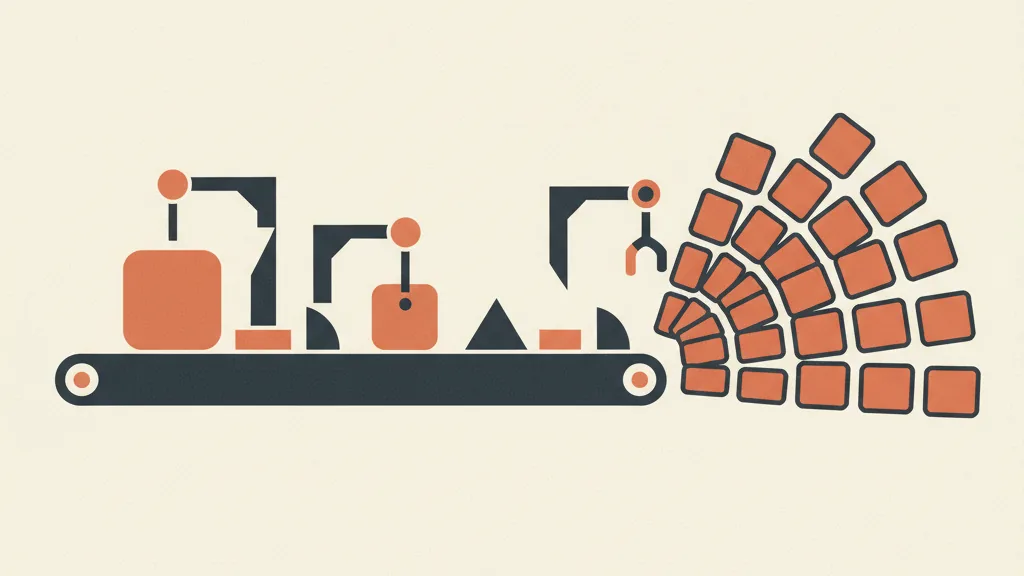
For years the competitive edge was targeting: whoever profiled better, won. Today that advantage has nearly disappeared. Platforms moved the intelligence inside the algorithm, and creative has become the main signal the system uses to figure out who to target. That's the core of how Andromeda changed the role of creative: the creative is no longer just "the ad", it's the input that steers distribution.
The practical consequence is stark. The algorithm learns fast, and just as fast it "tires out" the audience: a creative that was performing well can saturate within a week or two. To keep your cost per result from climbing, you need a steady stream of new, varied material. Depending on spend, an active campaign can need anywhere from a handful to several dozen new creatives a month just to stay fresh. With the traditional method, every extra creative costs an extra hour: production scales linearly and becomes the ceiling on how far you can grow.
The 5-step workflow for producing creatives with AI
A good AI workflow isn't "open a tool and type a prompt". It's a repeatable chain, where each step sets up the next. Here are the five steps I use as a structure.
1. Start from real assets, not from nothing
Mistake number one is generating the ad from pure text and letting the model invent a fake product. For a real campaign you need your product, recognizable. So you start by gathering assets: high-resolution product photos (multiple angles), brand palette and fonts, offer and price, the main selling point. The difference from a few years ago is that today's models don't just "draw" — they edit: they take the real product photo and build a scene, a background, a layout around it. That's what makes the result usable in advertising.
2. Lock the concepts before the prompts
You don't ask the AI "make me an ad". You decide the concept: collage with call to action, "us versus them" comparison, UGC style, lifestyle, before-and-after, benefit list. Turn these into reusable templates, so quality stays consistent even when you produce at volume. If you're short on angles, start from a proven playbook: our complete guide to ad creative collects the patterns that convert most often. The concept is the part where human judgment matters most: define it before touching any generator.
3. Structured prompts, with the copy in Italian
Here you turn concept and product into a structured prompt: layout, palette consistent with the product (no electric purple on a pastel cosmetic), and exact text values. The rules that make the difference: copy in Italian, short headlines (a few words, not walls of text), price written as 39,90 and not $39.99. Text rendering has historically been the weak point of image models: it improved a lot in 2026, but large, clean lettering works while small paragraphs don't. Design your creatives accordingly and keep a human eye on every word.
4. Generate with the right model
There's no single "best" model — there's the right one for the job. It's worth knowing the image generation tools available for marketing and understanding what each one is good at.
| Model | Indicative cost/image | Strength | When to use it |
|---|---|---|---|
| Nano Banana 2 (Gemini image family) | A few thousandths of a euro | Real-product editing, readable text, speed | Volume production, variants |
| GPT image (OpenAI) | A few cents | Prompt adherence, scene consistency | Hero concepts, harder cases |
| Text-strong models (e.g. Ideogram) | Low-to-medium | Large, clean text | Heavily text-based creatives |
| Flux and open models | Variable | Control and custom pipelines | Custom automations |
For volume production, today's workhorse is Gemini's image model family, the one the community calls "Nano Banana": it's fast, costs a few thousandths of a euro per image, and is strong at editing real products. We covered the case in depth in Nano Banana 2 applied to advertising. For hero concepts or trickier situations, you can step up to a premium model — pricier, but more faithful to the prompt.
5. Variants at scale (where AI really wins)
From a validated concept, you generate many variants by changing one lever at a time: hook, background, angle, color and, above all, format (1:1, 4:5, 9:16). What used to take a designer half a day now takes minutes: from a single concept you can pull 8-15 publishable variants in a few clicks. The trick is to generate them in batch and name them consistently (concept, variable, format), so once they're in the campaign you know exactly what you're testing. This is how you cover how many creatives you need each month without blowing up costs and timelines.
From generation to testing: fueling campaigns that perform
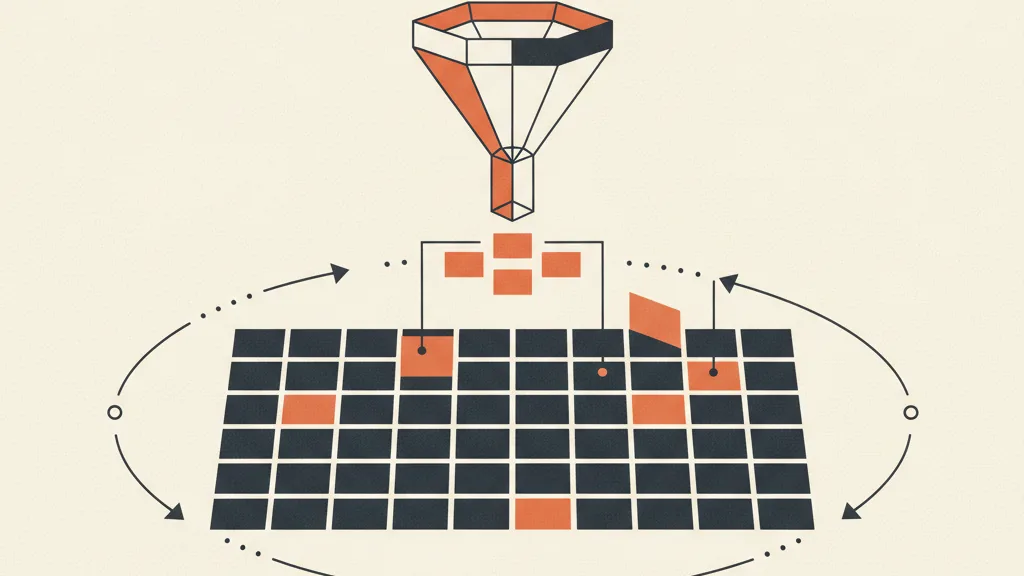
Be careful: volume is not a strategy. Churning out a hundred random images is pointless if you don't then put them to the test with a method. The next step is structured testing, isolating one variable at a time and watching the metrics that actually matter (hook rate in the first seconds, CTR, cost per acquisition), not vanity metrics. If you don't have a process yet, start with a structured creative testing method before hitting "publish".
From there the loop closes itself: you measure, you kill the losers, you push the winners, and you feed the angles that work back in as the base for new variants. It's the creative loop: production, testing, learning, more production. AI exists precisely to keep this loop fast and cheap, not to churn out the one "pretty" image and stop there.
Want a machine that churns out creatives ready to test without overwhelming your team? Tell us about your product and we'll show you how to set up the flow.
Where AI helps and where you still need a human head
To avoid falling for the illusion, let's be clear-eyed about it. AI is unbeatable at volume, first drafts, scene composition, localization into Italian, and adapting to different formats. What stays human is everything that decides whether the campaign actually sells:
- Offer and positioning: no model invents an irresistible offer in your place.
- Hook angle: the right promise comes from knowing the customer, not from the prompt.
- Brand judgment: consistency, tone, knowing what's "too much".
- Final check: typos in the text, product fidelity, risky claims. No AI output goes live without review.
Three mistakes that ruin AI creatives: letting the model invent the product, accepting text with errors because "it's AI anyway", and generating lots of images with no concept behind them. Volume without direction is just noise.
The real leap: automating the whole flow
Generating one nice image is useful, but the real leap is different: building a pipeline that goes from the product catalog straight to ready-to-upload creatives, automatically and at scale. On one end goes in the product's photos and data, on the other end come out the creatives in the right formats, with localized copy and concepts already assigned. This is exactly the territory of business process automation with AI: take the repetitive work off people's plates and leave them the decisions.
Anyone selling online grasps the value immediately: every new product added to the catalog generates its own set of creatives on its own, those creatives feed the campaigns, and the campaigns bring in sales, with no human bottlenecks in between. Production stops being a department that's always playing catch-up and becomes a gear inside your customer acquisition system. It's the direction we build content pipelines in at AstraLoop: custom-built flows that strip out the repetitive part and leave people the concept, the offer, and the strategy.
How much it costs (and how much time you save)
| Item | Classic method | With AI |
|---|---|---|
| Cost per static creative | €20-80 (freelancer or agency) | From under €0.01 to a few cents |
| Time for 10 variants | Half a day to days | Minutes |
| Scalability | Linear (more creatives, more hours) | Nearly flat |
The numbers are indicative and shift with the model and the complexity, but the order of magnitude holds: the cost per creative drops by one or two zeros and, above all, scalability stops depending on people's hours. That, more than any single spectacular prompt, is why it's worth bringing AI into your production.
Frequently asked questions
What does it mean to produce ad creatives with AI?
It means using image generation models to create ads starting from real product photos and predefined concepts, getting many variants in little time and at very low cost. AI composes the scene, background and layout; strategy and review stay human.
What is Nano Banana 2 and why is it used for creatives?
"Nano Banana" is the nickname for Google Gemini's image model family; the second generation is stronger at editing real products and rendering text. It's used for volume production because it's fast, costs a few thousandths of a euro per image, and keeps the product recognizable.
Does AI replace the designer or the creative team?
No. It replaces the repetitive work (variants, resizing, first drafts), not the decisions: offer, angle, concept and quality control stay human. The right model makes the team faster, not redundant.
How many creatives does a campaign really need?
It depends on spend, but with Advantage+ and Andromeda you need a steady flow: from a few units to several dozen new creatives a month per active campaign. That's exactly the need AI makes sustainable.
Is the text AI generates inside images reliable?
It improved a lot in 2026, but it should always be checked. Short headlines and large lettering work well; small paragraphs and dense text still produce errors. Design creatives with little text and do a human review before publishing.
Can you automate the whole production, not just a single image?
Yes. You can build a pipeline that automatically generates ready-to-upload creative sets from the product catalog, in the correct formats and with copy in Italian. It's the content automation model you then connect to testing and campaigns.
If producing creatives at volume is your bottleneck, let's talk: we'll analyze your case and propose a custom AI workflow.