Agentic CRM: what an AI-powered CRM is and why it matters in 2026
8 min read · AstraLoop Studio
An agentic CRM is a CRM where artificial intelligence doesn't just suggest, it acts. It doesn't show you a screen with ten recommendations you then have to carry out by hand: it qualifies the lead, updates the record, drafts the follow-up, sets the reminder, and hands you the deal only when a human decision is actually needed. The difference from a traditional CRM isn't cosmetic. It's the difference between an assistant that tells you what to do and a colleague who does it.
In 2026 this topic is hot for a concrete reason: AI agents have moved past the demo stage and into real sales processes. But adoption is still remarkably low. Several market surveys put the share of companies using genuinely native AI in their sales systems at around 19%, while most are stuck with a few "smart" features bolted onto an old system. That gap is the whole point: whoever understands the difference now builds an edge that everyone else will spend the next two or three years catching up on.
In this guide we'll cover what an agentic CRM really is, how it differs from a CRM "with some AI thrown in", what it actually does on a live deal, and how to tell if it makes sense for your business. Straight to the point.
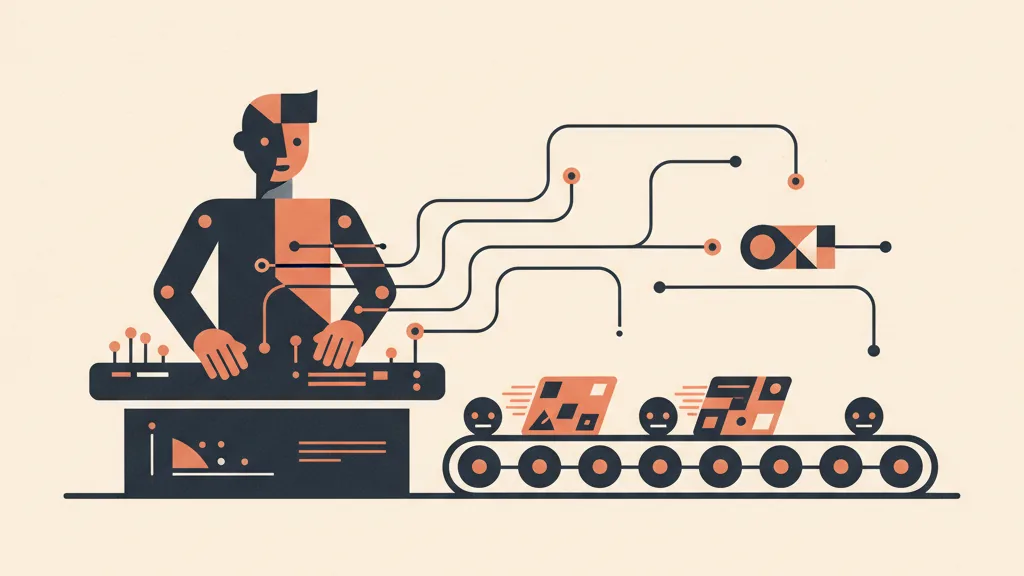
What an agentic CRM is (and isn't)
Let's start with the word. "Agentic" comes from agent: software capable of perceiving a context, deciding on an action, and carrying it out to reach a goal, without someone spelling out every single step. Applied to a CRM, this means the system stops being a passive archive where you enter data and read reports. It becomes an actor that operates on the funnel.
To understand this, you need to separate three levels, because they're often blurred together and vendors play on that confusion:
- Traditional CRM: a database of contacts and deals. Useful, but all the work (logging notes, moving stages, sending emails) is on you.
- CRM "with AI" (assistive): adds suggestions. It tells you "this lead is hot", drafts an email for you, summarizes a call. But you still perform the action. It's a copilot, not a pilot.
- Agentic CRM: the AI acts within rules you've defined. It qualifies leads on its own, enriches records, sends follow-ups, books appointments, updates scoring, and brings in a human only when it steps outside its lane or the stakes call for a person.
The line between a chatbot that answers and an agent that acts is important enough that we've dedicated a separate piece to it: if you want the technical boundary, read the difference between a chatbot and an AI agent. And for the bigger picture on the paradigm, here's what agentic AI is, no conference buzzwords.
The practical test: who presses the button?
Want to know in ten seconds whether a system is truly agentic? Ask who performs the action. If you still have to click after the suggestion, it's an assistive CRM. If the system executes and then notifies you of the result (with the option to step in), it's agentic. Everything else is marketing.
Why it matters in 2026: the adoption gap is an opportunity
The 19% native-AI adoption figure isn't a slide-deck statistic. It's a snapshot of where companies actually stand today. Most have a CRM, but use it as a glorified address book: half-filled records, forgotten follow-ups, leads cooling off in a "call back later" folder nobody ever reopens.
Meanwhile the cost of standing still keeps rising. B2B conversion benchmarks get worse year after year, response time matters more than ever (a lead called back within an hour is worth a fraction of the same lead called back within five minutes), and sales reps still burn a huge share of their time on admin instead of selling. An agentic CRM attacks exactly these three points: response speed, follow-up consistency, and recovering sales time.
Whoever moves in 2026 isn't doing it because "AI is trendy". They're doing it because competitive advantage is built on data and process, and both compound over time. Whoever sets up a CRM that acts today has, a year from now, a clean history and an engine that keeps improving; whoever waits starts from zero. We covered the advantage that comes from company data here: why your company's data is the real battleground for AI advantage.
The risk of AI "sprayed on top"
Watch out for a common trap. Many vendors in 2026 have added an "AI" button to their existing software and sell it as a revolution. In practice it's often a text generator isolated from everything else: it drafts a message, but doesn't know the customer's history, doesn't update anything, and doesn't trigger any action. It's why so many AI projects fail: you buy a feature instead of redesigning the process. A serious agentic CRM is integrated with your data, your funnel, and your channels (email, WhatsApp, phone) — otherwise it's just an expensive toy.
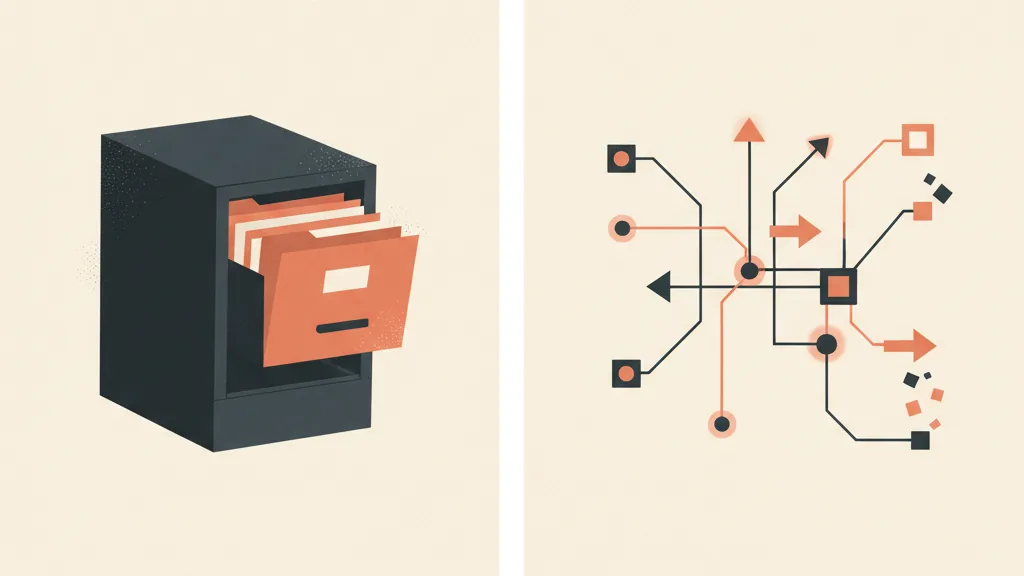
What an agentic CRM does on a real deal
Let's walk through a concrete case, because that's where the value becomes clear. Imagine a lead fills out a form on your site at 10:40pm on a Friday. In a traditional CRM, that contact sits there until a rep opens it Monday morning (if they open it at all). In an agentic CRM the sequence looks different:
- Capture and enrichment. The system logs the lead, pulls in public data (industry, size, role) and fills out the record automatically.
- Qualification. It asks two or three questions via chat or WhatsApp to gauge budget, urgency and fit, exactly like a setter would. For how this part works, see how an AI chatbot qualifies leads and books appointments.
- Scoring. It assigns a score based on behavior and data, so hot leads rise to the top. We explain the mechanics in AI lead scoring for SMBs.
- Action. If the lead is ready, it proposes time slots and books the call. If not, it starts a nurturing sequence and schedules a callback.
- Handoff. On Monday the rep finds the record already filled in, the lead already qualified, and often the appointment already on the calendar. They step in exactly where it counts: the negotiation.
The point isn't "AI sells for you". The point is that repetitive, low-margin tasks (data collection, first-pass qualification, reminders, standard follow-ups) run on their own, and human time concentrates on the conversations that close deals. It's the same logic as AI-driven sales follow-up automation, brought inside the core of the CRM.
There's also the flip side: the contacts already sitting in your database that nobody ever calls back. An agentic CRM can work through them systematically — it's the subject of reactivating dormant customers from your database, often the cheapest revenue source a company already has on hand.
Want to know if a CRM that acts, not just suggests, makes sense for your sales process? Tell us how you work and we'll give you a concrete assessment, no fluff.
Custom-built agentic CRM or off-the-shelf package?
Here's the practical question. Do you pick a SaaS CRM that promises agentic features, or build one custom? There's no one-size-fits-all answer, but there are clear criteria.
| Aspect | SaaS with AI | Custom agentic CRM |
|---|---|---|
| Time to launch | Fast | Longer (weeks) |
| Fit to your process | You adapt to the software | The software follows your funnel |
| Agent autonomy | Limited to what the vendor allows | Defined around your actual rules |
| Cost over time | Per-user fees that keep rising | Upfront investment, then controlled |
| Integration with your tools | Depends on available APIs | Designed around your stack |
The rule of thumb: if your sales process is standard and small, a well-chosen SaaS is more than enough. If you have a complex funnel, specific verticals, or already feel the software is too tight a fit, custom pays off. We laid out the criteria in custom CRM vs. SaaS, when it's really worth it, and if you're weighing it against the big players, it's worth reading when a custom CRM beats HubSpot and Salesforce for an Italian SMB.
Either way, an agentic CRM performs best when it isn't an island. The real strength shows up when the CRM that acts is connected to the funnel that feeds it contacts: one captures and nurtures, the other qualifies and converts, and data flows through a single loop. That's the idea behind a single system integrating a custom CRM with the acquisition funnel, the most solid way to make AI pay off in sales.
Where to start without getting it wrong
The classic mistake is starting from the tool. You buy the platform with the most AI features and then realize the process underneath isn't there. The right order is the opposite:
- Map the funnel. Where leads come in, where they get stuck, how many you lose and why. Without this, AI just automates chaos.
- Identify the repetitive tasks. First-pass qualification, record enrichment, standard follow-ups, reminders: these are the first candidates for agentic automation.
- Define the agent's boundaries. What it can do on its own, what needs a human eye, when it has to stop. Autonomy without rules is a risk, not an advantage.
- Integrate your data. An agent is only as good as the information it can access. Clean records and an organized history are worth more than any model.
If you're evaluating bringing AI into sales more broadly, this more general guide will help you frame the path: AI CRM for SMBs, sales automation without losing control. And if you want to understand how the pieces (CRM, funnel, channels) fit together into one operating system, start with how to integrate your CRM with the sales funnel.
In short
An agentic CRM isn't "a CRM with a chatbot bolted on". It's a CRM that executes, within rules you set, the tasks that today steal time from your reps and let leads go cold. In 2026 the edge isn't having AI — nearly everyone has some scattered feature by now — it's having it integrated into a process that actually works. With only around 19% of companies running genuinely native AI, the window to build a real advantage is still open. But windows, as we know, close.
Frequently asked questions
What's the difference between a CRM with AI and an agentic CRM?
A CRM with AI suggests: it tells you which lead is hot or drafts an email, but you perform the action. An agentic CRM acts autonomously within rules you've defined: it qualifies leads, updates records, sends follow-ups, and books appointments, bringing in a human only when a decision is actually needed. The quick test: who presses the final button? If it's you, it's assistive; if the system does it, it's agentic.
Is it true that only 19% of companies use native AI in their CRM?
Several 2026 market surveys put native AI adoption in sales systems at around this level. Most companies stop at smart features added on top of existing software, which isn't the same as AI genuinely integrated into the process. The figure should be read as a scenario estimate rather than an exact measurement, but the direction is clear: real adoption is still low.
Does an agentic CRM replace sales reps?
No. It replaces repetitive, low-margin tasks (data collection, first-pass qualification, reminders, standard follow-ups), not people. The time recovered shifts toward the conversations that close deals, where humans remain irreplaceable. The goal is to help reps sell more, not to remove them.
Do you need a custom CRM to get agentic features?
Not always. If the sales process is standard and the company small, a good SaaS with agentic features can be enough. Custom makes sense when the funnel is complex, there are specific verticals involved, or the standard software already feels too tight. The choice depends on process complexity, not on trends.
Where do you start when introducing an agentic CRM?
You start from the process, not the tool. First map the funnel (where leads come in and where they're lost), then identify the repetitive tasks to automate, define the agent's autonomy boundaries, and get your data in order. Buying the platform before doing this work just ends up automating chaos.
How reliable is a CRM that acts on its own?
Reliability depends on the boundaries you set. A serious agentic CRM operates within precise rules: it knows what it can do autonomously, when to stop, and when to hand off to a person. With well-designed handoffs and oversight on critical cases, autonomy becomes a controlled advantage rather than a risk.
If you're weighing an agentic CRM built around your funnel, let's talk: we'll analyze your process and propose a realistic path, with clear timelines and priorities.