7 Email Segments to Create Now to Sell More
9 min read · AstraLoop Studio
Most companies doing email marketing send the same message to their entire list. Then they wonder why open rates sit at 15% and email sales are background noise. The problem is almost never a list that's too small: it's that you're talking to an audience that doesn't exist, the "average" of your contacts, a person who doesn't buy because they're nobody in particular.
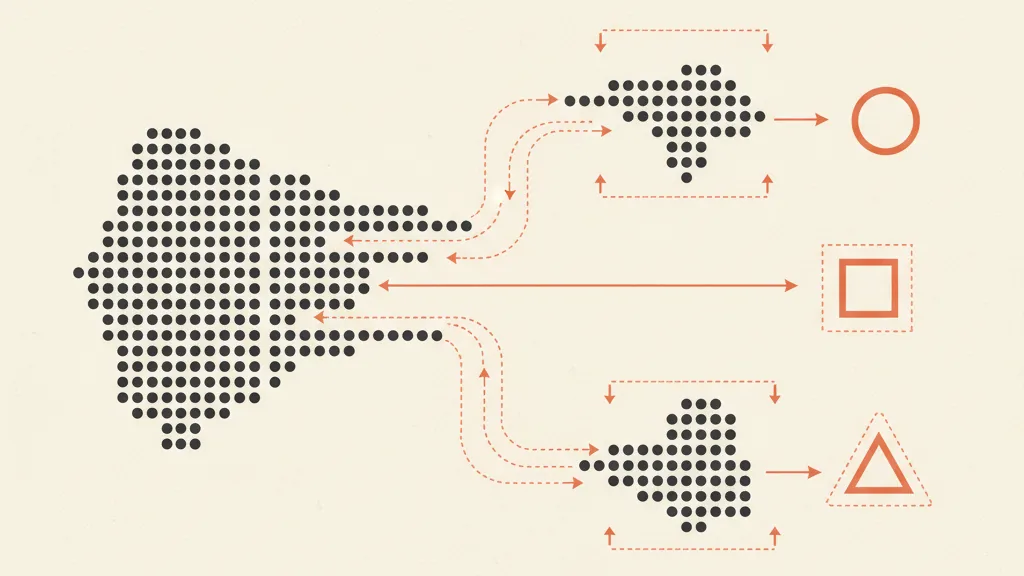
Segmentation fixes exactly this. You split the database into groups that share something (behavior, value, stage in the buying cycle) and send each one the right message. The numbers have been known for years: segmented campaigns generate on average 2 to 4 times more revenue per email than mass sends, and they cut unsubscribes because people receive things that are actually relevant to them.
But there's a huge difference between segmenting "by hand" every now and then and having dynamic segments that update themselves based on behavior. The first approach is a snapshot taken in January and still in use in December. The second is a living system: a contact enters and leaves a segment the instant their behavior changes, and the messaging follows them. This article is about building the second kind.
Here are 7 concrete segments, ranked by impact. For each one: who ends up in it, which behavioral trigger switches it on automatically, and what to send them. You don't need to build all of them in a day. But these seven cover 80% of the value you can recover from an average list.
Rule one: a segment only matters if it's tied to an action
A mistake I see often: dozens of segments get created "to keep things tidy," and then just sit there gathering dust. A segment only makes sense if that group gets a message different from what you'd send everyone else. If the content is identical, the segment is pointless.
The second thing to clear up right away is the distinction between segmentation and personalization, because people mix them up constantly. Segmentation decides which group gets which campaign. Personalization changes the content of a single email based on the recipient's data (name, product viewed, city). The two work together, and with AI the line between them is blurring: you can have a single flow that adapts to the individual, cutting down the number of "rigid" segments you have to manage. We get to that at the end, but keep it in mind as you read. If you want to go deeper on the content side, we have a dedicated guide to email personalization with AI.
Rule three, the most important one for automation: every segment on this list activates on a behavioral trigger, not a static data point. "Opened the last 3 emails" is a behavior. "Lives in Milan" is a demographic fact. Behavioral segments work better because they predict intent instead of just describing it. And they update themselves.
1. Active high-value customers (the segment that pays for everything else)
Who's in it: anyone who has bought more than once, or spent above a certain threshold, in the last 6-12 months. In B2B: accounts with an active contract and high usage.
Entry trigger: second purchase completed, or cumulative spend crossing a threshold you set. The moment someone crosses that line, they enter the segment automatically.
What to send them: here you're not pushing discounts, you're pushing relationship and targeted upsell. Previews, priority access to new products, a referral program, content that makes them feel like insiders. This group is small (often 10-20% of customers) but generates most of your repeat revenue. The structured way to identify it is RFM analysis, which scores contacts on Recency, Frequency and Monetary value. It's the first exercise to run on any database, and it feeds most of the segments that follow.
Why it comes first: keeping a customer who already buys costs a fraction of acquiring a new one. Protect the base first, then work on the rest. If retention is your focus, here are the customer retention strategies that lean on exactly these segments.
2. One-time buyers (the second-sale segment)
Who's in it: placed exactly one order and never came back. It's the group with the biggest hidden potential in almost every ecommerce business.
Entry trigger: first purchase completed + X days with no second order (the right value depends on your product's repurchase cycle: 30 days for a consumable, 90 for something more durable).
What to send them: a sequence that drives the second purchase. Products that complement what they already bought (cross-sell), a return incentive if needed, content that boosts the perceived value of what they own. It's the same logic as upsell and cross-sell: someone who has already bought once is far more likely to buy again than anyone else on the list.
The value jump: moving even 10% of "one-shot" customers to a second purchase changes your yearly numbers. It's the segment almost nobody manages, which is exactly why it pays off.
3. Warm leads who aren't customers yet (high interest, zero purchases)
Who's in it: subscribers who open, click, and visit the site, but have never bought. In B2B: leads who download materials and keep returning to product pages, but haven't requested a quote.
Entry trigger: engagement threshold crossed without a purchase. For example: 3 email clicks in the last 14 days, or 2+ visits to a product/service page. This is lead scoring territory: you assign points to behaviors, and whoever crosses the threshold enters the warm segment.
What to send them: content that resolves the last doubt. Reviews and real case studies, answers to common objections, a more direct call to action. Not another generic educational article: they're already sold on the problem, what's missing is the final push on the solution. If your sales cycle is consultative, this is the moment a contact should be handed to sales or to an AI agent that qualifies the lead before a human steps in.
4. Abandoned carts and unclosed quotes (the single most profitable recovery)
Who's in it: anyone who added to cart and didn't check out, or (in B2B/services) anyone who received a quote and never replied.
Entry trigger: cart created with no order within 1-4 hours. Quote sent with no reply within X days. These are the cleanest behavioral triggers there are: purchase intent is extremely high and extremely recent.
What to send them: a short, timely sequence. First message within an hour ("did you leave something behind?"), a second after 24 hours with reassurance if useful (shipping, returns, warranty), a third that closes with urgency or an incentive if needed. Cart-recovery emails have historically among the highest open and conversion rates in all of email marketing, often 3-4 times a normal campaign. The mechanics, on the automation side, are covered in our piece on abandoned cart recovery. In the services world, the same principle applies to recovering unclosed quotes.
| Segment | Typical trigger | Ideal window | Impact |
|---|---|---|---|
| Abandoned cart | Cart + no order | 1-4 hours | Very high |
| Unclosed quote | Quote + no reply | 2-5 days | High |
| One-shot customer | 1 order + cycle expired | 30-90 days | High |
| Dormant contact | No opens | 60-120 days | Medium-high |
5. New subscribers (the welcome flow that decides everything)
Who's in it: anyone who just joined the list, before any other interaction.
Entry trigger: signup completed. It's the simplest trigger there is, and also the most wasted: plenty of companies dump a brand-new contact straight into the generic promotional flow, throwing away the moment of peak attention.
What to send them: a 3-5 email welcome sequence over the first 7-10 days. Who you are, why you're trustworthy, what to expect, a first incentive if the model calls for it. New subscribers show open and click rates well above average precisely because they just gave you permission: it's the window where they're most receptive. We have a hands-on guide to building the welcome flow step by step, and it's worth reading before setting up any other segment, because the welcome sequence is the first filter that pushes people toward the segments that follow.
6. Recently disengaged contacts (catching the cooldown before it's too late)
Who's in it: contacts who used to open and click, and stopped doing so a few weeks ago. Not yet dormant, but cooling off.
Entry trigger: a drop in engagement relative to that person's own history. For example: no opens in the last 5-8 emails, when they used to open regularly. The key is measuring the drop against that individual's past behavior, not a general average.
What to send them: a change of tone. A more curious subject line, a different format, maybe a direct question ("are we still a good fit for you?"). The goal is to reignite attention before the contact slides into the dormant group, where winning them back costs much more. Managing this segment is the difference between a list that ages well and one that quietly empties out. For the full picture on structuring groups over time, here are the customer database segmentation strategies.
Want your segments to switch themselves on based on contact behavior, with no manual work? Request an analysis of your database and we'll show you where the stalled revenue is hiding.
7. Dormant contacts to reactivate (the forgotten gold in your database)
Who's in it: customers or contacts who haven't engaged or bought in a long time (typically 6-12 months or more). An average database has between 20% and 40% of its contacts in this state.
Entry trigger: crossing a long inactivity threshold (no opens + no purchases for X months). At that point the contact leaves the "recently disengaged" segment and enters the dormant one, which has its own dedicated messaging.
What to send them: a dedicated win-back campaign. A sequence built around "you forgot about us": a strong offer to come back, a reminder of the value on offer, and finally an honest last-call email ("we'll remove you if you don't tell us to stay"). Reactivating an existing customer costs a fraction of acquiring a new one, and this segment is literally full of people who already knew you. On why it's worth so much, we've laid out the numbers side by side in our piece on the cost of reactivation versus acquisition. One operational warning: if you're about to reactivate contacts that have been inactive for a long time, check the legal basis of their consent so you don't run into GDPR trouble.
The real difference: static segments versus dynamic AI-driven segments
So that's the seven segments. But the real leap isn't creating them: it's making them run on their own. A static segment is a list someone exports, filters, and uses. By the next day it's already stale. A dynamic segment is a rule: "whoever meets these behavioral conditions belongs, the instant they meet them." People enter and leave on their own, and the messaging follows them without anyone touching a spreadsheet.
This is where automation stops being a luxury and becomes the engine. With a well-built marketing automation flow, every trigger on this list fires the right sequence with no human intervention: an abandoned cart kicks off recovery, an inactivity threshold triggers win-back, a second purchase promotes the contact into the high-value customer segment.
The next level, the one we work on at AstraLoop, is cutting down the number of rigid segments and letting AI adapt the content to the individual instead. Instead of ten email variants for ten micro-segments, an intelligent flow reads the person's behavior and builds the right message in real time, even orchestrating the channel (email, WhatsApp) based on where that contact responds best. Segmentation stays the backbone of the strategy, but it becomes more fluid and far less work to maintain. It's the principle behind our whole email marketing strategy: fewer mass sends, more relevant conversations that build themselves.
Where to start tomorrow morning
Don't try to build all seven segments in one week. The right order for most companies is this:
- Welcome flow (segment 5): the simplest one, and it immediately brings order to new contacts.
- Abandoned carts and quotes (segment 4): the fastest, most measurable return you'll get.
- High-value customers (segment 1) and one-shot buyers (segment 2): RFM analysis protects the base and opens up the second sale.
- Dormant and disengaged contacts (segments 6 and 7): once the first three are running, these recover the value sitting idle in your database.
Every segment you add is a machine that works on its own, every day, with no variable cost. The list you already have almost always contains more revenue than you're currently extracting. Automated behavioral segmentation is how you pull it out.
Frequently asked questions
What's the difference between email segmentation and personalization?
Segmentation decides which group of contacts gets which campaign (e.g. dormant contacts, VIP customers). Personalization changes the content of a single email based on the recipient's data (name, product viewed, city). They work together: first you pick the group, then you tailor the message to the individual. With AI the line blurs, since a single flow can adapt to the person, cutting down the number of rigid segments you need to manage.
How many email segments should I create to get started?
Better a few well-managed segments than dozens left to rot. Start with 3: a welcome flow for new subscribers, abandoned cart/quote recovery, and high-value customers. Together they already cover most of the recoverable value. Add the other segments once the first ones are running steadily. A segment only makes sense if that group gets a message different from what you'd send everyone else.
What are dynamic email segments and why are they better than static ones?
A static segment is a list exported and filtered by hand: by the next day it's already outdated. A dynamic segment is a behavioral rule (e.g. 'no opens in 90 days'): contacts enter and leave on their own the instant their behavior changes, and the messaging follows automatically. They're better because they stay current at all times and require no manual work.
Which email segment delivers the best return?
In almost every case it's abandoned cart and quote recovery. Purchase intent is extremely high and extremely recent, and these emails have historically shown open and conversion rates 3-4 times higher than a normal campaign. Right behind it are dormant contacts up for reactivation, since winning back an existing customer costs a fraction of acquiring a new one.
How do I reactivate dormant contacts without running into GDPR issues?
Before emailing contacts who've been inactive for a long time, check that you have a valid legal basis for consent (when and how it was collected, and whether the purpose still matches). If consent is still valid, a win-back campaign is legitimate. If it's doubtful or expired, consider a re-permission message or exclude those contacts. This is general information only: for specific cases it's worth checking with a privacy advisor.
Do I need expensive software to build automatic behavioral segments?
No, most email marketing and marketing automation platforms let you set up dynamic segments based on behavior (opens, clicks, purchases, carts). What makes the difference is how you set up the triggers and connected sequences, not the price of the tool. Adding a layer of AI lets you cut down the number of rigid segments and have the content adapt automatically to each contact.
If you want to turn your list into a system that sells on its own, with dynamic segments and AI orchestration across email and WhatsApp, talk to us: we'll look at your case together.