Reducing Employee Turnover with Accessible Company Knowledge
8 min read · AstraLoop Studio
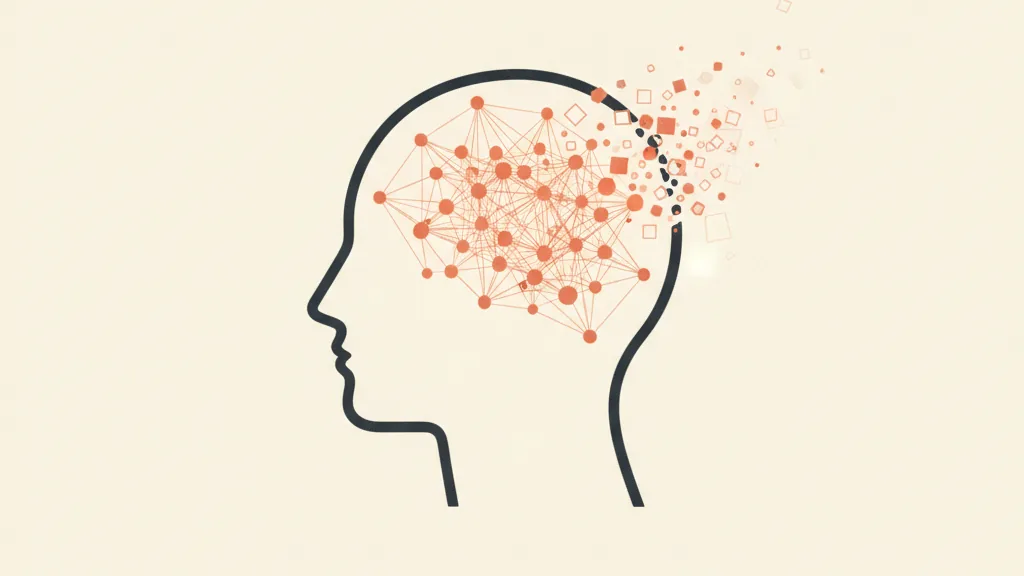
When an employee leaves, the first thing you think about is the cost of replacing them: job ads, interviews, the team's time spent training the new hire. But the real damage is quieter, and almost always overlooked. When the person walks out the door, the knowledge inside their head walks out with them. How they handled that difficult client, why you switched suppliers back in March, the tricks that made a process run smoothly. None of it is usually written down anywhere.
And here's a connection few companies really grasp: inaccessible knowledge isn't just a cost when someone leaves, it's one of the reasons they leave. Someone who spends their day hunting for information, who can never become self-sufficient because they always depend on the one expert colleague, who feels stuck in a role because nobody else can do their job, is a more frustrated person and one step closer to sending out their resume. Making company knowledge accessible is one of the most underrated levers for reducing employee turnover.
In this article we look at the mechanism behind it, with some honest reference numbers, and why a digital company brain (what we call a company brain or corporate second brain) tackles the problem at its root instead of patching it.
The hidden cost: knowledge living inside people's heads
In almost every company, knowledge lives in three places, and none of the three is really usable on demand.
- Scattered across chats, emails, and documents. Decisions made on Slack, attachments in emails, file versions spread across different folders. Some of it can be found, most of it gets lost.
- Inside people's heads. This is where the most valuable and most fragile knowledge lives. Your top performer is worth their weight in gold precisely because they know things nobody else knows. The problem is that knowledge is tied to a single person.
- Fragmented across dozens of tools. The policy PDF, the revenue spreadsheet, supplier emails, the management software. Fragments nobody uses in a coordinated way.
The second point is what fuels turnover. When one person becomes a bottleneck, meaning everyone has to go through them to find out how something works, two kinds of damage happen at once. On one hand, the company is held hostage: if that person leaves, part of the operation grinds to a halt. On the other hand, the person themselves often feels overloaded and indispensable in a negative sense, unable to delegate or grow. The risk of losing knowledge when an employee leaves the company is real, and the more strategic the role, the more it hurts.
How much it really costs: onboarding, ramp-up time, and departures
It's worth looking at a few orders of magnitude. These are industry estimates, not absolute truths, but they help frame the problem.
According to McKinsey, roughly 19% of the work week (nearly one day out of five) is spent searching for information. That lost day every week is money, but it's also frustration that builds up over time. It's one of the factors that erode satisfaction and, over time, push people to start looking around.
Then there's the time a new hire needs to become truly productive: on average between 8 and 12 months. The learning curve varies a lot depending on the person.
| Profile | Time to become productive | Impact on the company |
|---|---|---|
| Top performer | 3-6 months | Fast return on investment |
| Average profile | 8-12 months | Average return |
| Slow profile | 14-18 months | Late return, high cost |
The interesting part is how to read this curve. In the first phase, while they're learning, the employee is the one gaining: they're paid while building competence. In the second phase, once they're up to speed, the company is the one gaining. Shortening ramp-up time means bringing forward the point at which the company starts recouping its investment. And a shorter onboarding isn't just a saving: it's what unlocks job rotation and lowers departures.
The link between knowledge access, job rotation, and attrition
Let's put the pieces together, because this is where the real insight sits.
When knowledge is accessible, a new hire doesn't have to painstakingly extract every piece of information from colleagues. They can ask the system how a case is handled, what was decided about a client, what the standard procedure is. Onboarding gets shorter. And faster onboarding means rotating people between roles becomes possible: whoever learned one role quickly can support or replace another without months of learning from scratch.
Job rotation, in turn, affects turnover in two ways.
- It reduces dependence on a single person. If knowledge lives in the system and more people can cover a role, nobody stays trapped as a bottleneck. Less stress, less toxic indispensability.
- It increases satisfaction. People who can move around, learn new things, and aren't stuck doing the same task for years tend to stay longer. The feeling of growth is one of the main antidotes to attrition.
The loop closes like this: accessible knowledge, shorter onboarding, job rotation made possible, more satisfied and less constrained employees, fewer departures. And that's the same reason why reducing onboarding time with AI isn't an isolated HR topic, but a piece of the retention strategy.
Why a wiki isn't enough (and what changes with a company brain)
The natural reaction is: let's just write everything down in a wiki. Useful, but partial. Wikis and shared folders suffer from a structural flaw. They start out as static archives that someone has to populate and update by hand, and that nobody actually reads. They turn into graveyards of outdated documents.
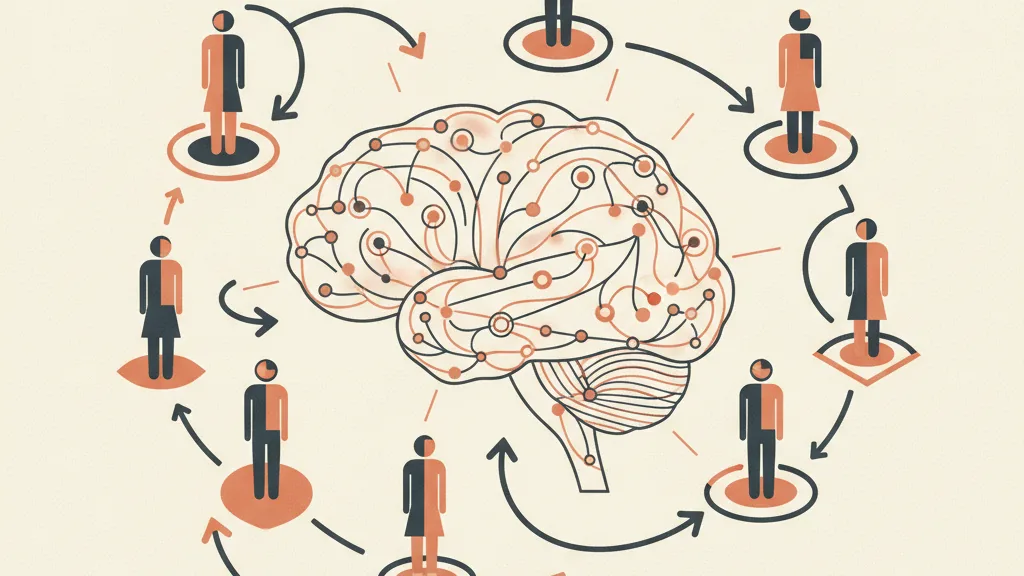
A corporate second brain is a different thing. It's a large, interconnected digital brain, built not so much to be read by a human, but to be navigated and interpreted by an AI. The practical difference is substantial: the more you use it, the more the system knows about the company, and the better the answers get. It's a memory that grows over time instead of aging.
At a high level, a few principles make it well suited to fighting turnover.
- Atomic notes. Knowledge is broken down into many small notes, one idea per note, all linked together. It's the same principle sociologist Niklas Luhmann used with the Zettelkasten method to manage 90,000 interconnected index cards and write his books. This makes knowledge reusable across different contexts and easy to navigate. If you want to understand this building block better, we cover it in detail in atomic notes for company knowledge.
- Single source of truth. One single company truth that the AI draws from. It doesn't make things up, it only reports facts present in the company's knowledge base, reducing hallucinations. The concept is explored in depth in single source of truth for companies.
- Living memory. The system updates itself from daily conversations and sessions. So you can ask "what did we decide in March with that client?" and get an answer, even if the person who was there that day has since left.
This is the part that breaks the link between the person and the knowledge. When a top performer leaves, their operational experience remains, at least in part, inside the system instead of walking out with them.
If staff turnover is costing you knowledge every time someone leaves, let's talk: we'll analyze where knowledge is being lost and how to secure it.
Where it matters most, by company type
The retention benefit is more evident in certain contexts.
- Sales teams. This is where knowledge loss hurts the most: when a salesperson leaves, they take relationships, client history, and deal notes with them. With a second brain for the sales team, that knowledge stays put and onboarding a new salesperson gets drastically shorter.
- Professional firms. Lawyers and accountants live on knowledge organized by client and by case. Having it always at hand makes staff turnover less traumatic and workload distribution easier. We cover this in second brain for professional firms.
- SMEs and agencies. Moving from file chaos to a single system reduces reliance on the few people who "know where everything is."
In all these cases the underlying theme is the same: scattered company knowledge has a concrete cost, and part of that cost is called turnover.
What about my data? Compliance isn't a roadblock
The recurring objection is understandable: putting all of a company's knowledge into an AI-powered system feels risky from a data standpoint. Two honest points.
First: in most companies, some of that data has already ended up in ChatGPT, pasted in by employees during their daily work, with zero oversight or traceability. A governed company brain, with clear rules, is safer than this widespread and ignored situation.
Second: it's managed with the right tools. Signed data processing agreements (DPAs), GDPR compliance, and version control that guarantees backups and a single up-to-date source. The topic is addressed specifically in GDPR and security in a second brain. Governance isn't an add-on, it's part of the project.
The bottom line: understanding can't be outsourced
There's one last insight worth keeping in mind. With AI you can outsource skill (it writes code, produces text) and even thinking (it proposes solutions and architectures). But you can't outsource understanding of your own business. You need to understand how your company really works to decide which knowledge is critical, how to structure it, and which connections matter.
That's why a company brain isn't software you install and forget. It requires method: how to break knowledge into atomic notes, how to link concepts together (the ontology, meaning the structure of relationships that lets the AI reason by moving between notes), what quality checks to put in place, when a semantic search pipeline is needed to scale to thousands of documents, how to handle compliance.
At AstraLoop Studio we design, build, and manage the company brain for your business, so the system holds up over time and knowledge stops being held hostage by a few people. If turnover is costing you more than you'd like, the first step is understanding where knowledge is being lost. The connection to topics like scaling company knowledge with AI is direct: the more the system knows about the company, the less you depend on individual people.
Frequently asked questions
How can a company brain concretely reduce employee turnover?
It acts on three levers: it shortens onboarding by making knowledge accessible, it enables job rotation (more people can cover a role), and it reduces bottleneck-related stress. People who are more autonomous and less trapped in a single role tend to stay longer.
How long does it take a new hire to become productive?
On average between 8 and 12 months, according to industry estimates. A top performer can get there in 3-6 months, a slower profile in 14-18. Making knowledge accessible shortens this curve and brings forward the point at which the company recoups its investment.
What's the difference between a company wiki and a second brain?
A wiki is a static archive that someone has to update by hand and that often nobody reads. A second brain is built to be navigated by an AI: the more you use it, the more it knows about the company and the better the answers become. It's a memory that grows instead of aging.
What happens to knowledge when a key employee leaves?
Without a system, it leaves with them: relationships, client history, informal procedures. With a company brain, their operational experience remains, at least in part, inside the system, reducing the damage and making staff turnover less traumatic.
Is my company data safe in a system like this?
A governed company brain is safer than the typical situation, where employees are already pasting data into ChatGPT with no oversight. It's managed with signed DPAs, GDPR compliance, and version control for backups and a single source of truth.
Does job rotation really help retain people?
Yes, in two ways: it reduces dependence on a single person (less stress from being irreplaceable) and it increases satisfaction, because people who can learn new roles and grow tend not to look elsewhere. Accessible knowledge is what makes it possible.
Want to know how much turnover you could avoid by making knowledge accessible? Request a free analysis: we design a company brain tailored to your business.