WhatsApp + CRM Integration for Lead Generation: Automatic Leads From Site to Pipeline
8 min read · AstraLoop Studio
The channel Italians actually reply on
Here's a fact worth keeping in mind every time you think about how you collect contacts: an Italian opens and replies to a WhatsApp message within minutes, while an email gets answered in hours, days, or never. This isn't a minor cultural preference — it's the main channel people actually communicate on. Yet most company websites still lead with an email form and, further down, a phone number nobody calls.
The problem isn't having WhatsApp on your site. Plenty of businesses do, with the usual green widget in the bottom right corner. The problem is what happens after the visitor writes. In the vast majority of cases, the message lands on a personal phone, gets read whenever someone has time, maybe gets copied by hand into a spreadsheet, and the contact gets lost among supplier chats and family group threads. You captured a lead at their moment of peak attention and then let it slip away.
Integrating WhatsApp with your CRM closes exactly this gap. The moment a visitor writes from your site, their contact enters the CRM as a structured record, complete with source, originating page, and initial qualifying answers. Not at the end of the day, not "whenever someone copies it over" — in real time, while it's still hot. In this article we'll look at how the flow actually works, where it usually breaks, and what it takes to build it around your process instead of bending your process to fit a generic tool.
What "integrating WhatsApp with your CRM" actually means
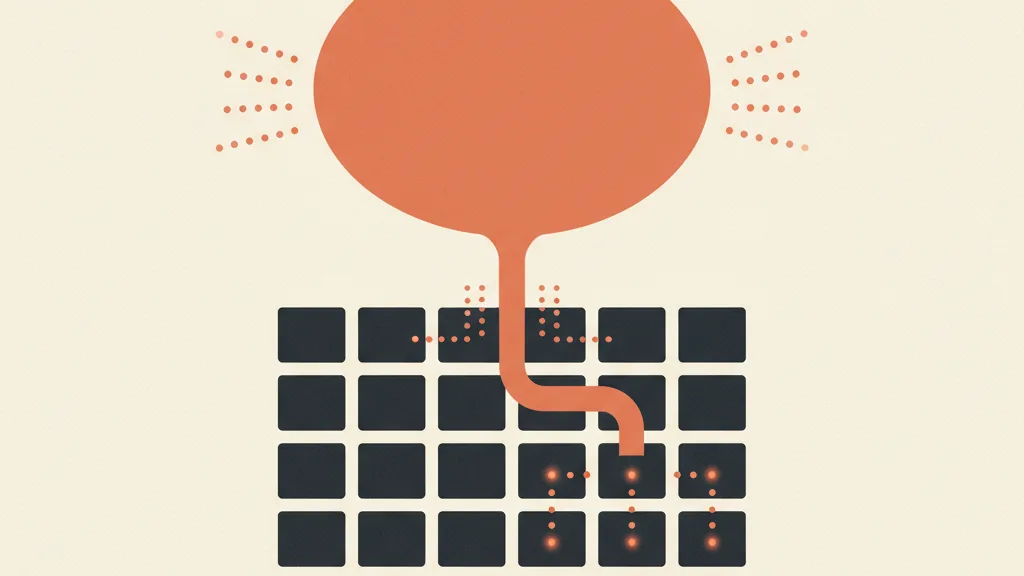
Let's clear up a common misunderstanding first. Integrating WhatsApp with your CRM doesn't mean installing a chat button. It means building a two-way bridge between the conversation and the system where you work your contacts. In practice, a proper integration does three things:
- Captures the contact in real time. Whoever writes becomes a CRM record the instant they do, with name, number, source (which ad, which page) and the answers to any initial questions.
- Logs the entire conversation. Every message, incoming and outgoing, stays in the contact's history. The salesperson who picks it up sees the whole chat, not a blank slate.
- Triggers automations. Based on what the contact writes, the system can reply instantly, qualify them, assign them to the right person, kick off a follow-up, or send a reminder.
That's the whole difference between a widget and an integration: a widget collects messages, an integration turns those messages into a workable pipeline. It's the same leap in quality as the one between a shared inbox and an actual customer acquisition system: in the first case contacts arrive and just sit there, in the second they enter a path that carries them toward the close.
WhatsApp Business API: the technical piece that makes it all possible
To connect WhatsApp to a CRM reliably you need the WhatsApp Business API (Meta's official interface for businesses), not the app on your phone. The practical difference is substantial: the API lets multiple operators manage the same number, lets systems talk to each other, sends automated messages, and logs everything. The consumer app doesn't do any of that — it's built for one person with one phone.
One regulatory point worth flagging: with the Business API, automated or promotional messages follow strict rules (pre-approved Meta templates and time windows within which you can reply freely once the customer has written to you first). This isn't a minor detail — building your flow while ignoring these rules gets your number blocked. A proper integration respects them by design, which is one of the reasons DIY setups often trip up here.
The full flow: from a click on your site to your pipeline
Let's walk through the actual path a contact takes, step by step. At every stage, without integration, there's a precise point where the lead gets lost.
1. The visitor writes from your site
The contact lands on a page (an ad, an article, your homepage) and instead of filling out a cold form, opens WhatsApp with one click. That's already a win: the psychological barrier of writing a message is much lower than filling in email, phone, and "how can we help you" fields. People write exactly what they want, off the cuff. The starting point matters: a landing page built for lead generation, with a single goal and a clear invitation to message on WhatsApp, converts far better than a page that asks for too much.
2. The contact enters the CRM, not a phone
The instant the first message goes out, the system creates the record in the CRM. This is the heart of the integration. Without it, the message would land on a personal device; with it, it becomes a tracked lead with its own source. You know where it came from (which campaign, which page), and that seemingly small detail is what later lets you calculate cost per lead by channel and see where you're really getting a return.
3. Automatic qualification: separating the curious from the ready
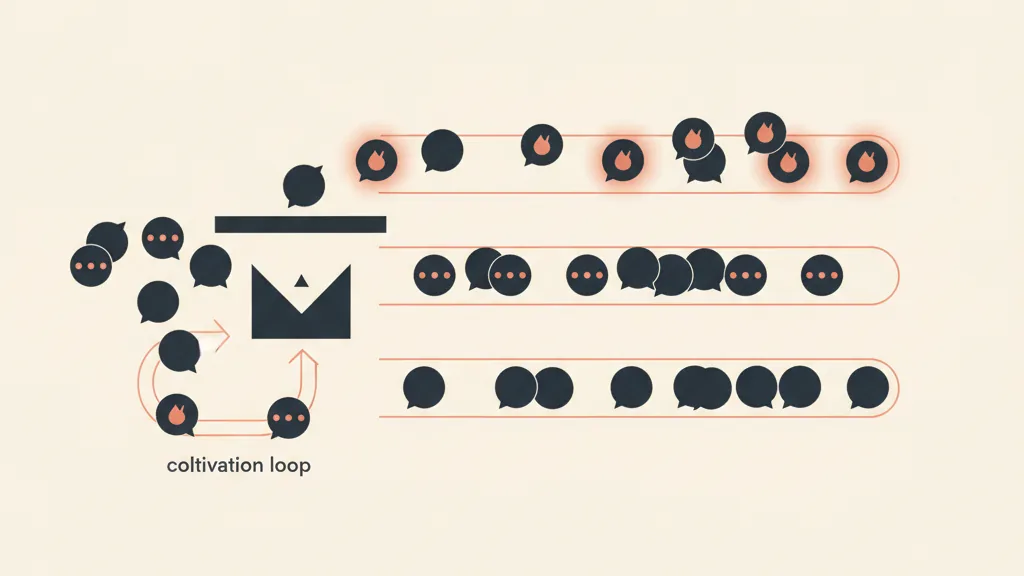
Not everyone who writes in is worth the same. Someone asking "how much does service X cost for my 15-person company" is at a different stage than someone who just writes "info". This is where the integration can make a real difference through automatic qualification: a few opening questions, handled by an AI agent that qualifies leads on WhatsApp, gather the key information (industry, size, urgency, rough budget) before a human ever steps in. Sales reps don't waste time on people outside their target, and the system applies MQL versus SQL logic to work out who's ready to buy and who still needs nurturing.
The benefit is twofold: an instant reply for the contact (who appreciates not waiting) and a priority assignment. A lead scoring system sorts the queue on its own, so the salesperson finds the best leads at the top each morning instead of an undifferentiated pile to sift through.
4. Routing and handoff to the right salesperson
The qualified lead gets assigned to the right person with an instant notification. Not "added to a list to check when there's time" — handed directly to the relevant salesperson, with the whole conversation already visible. Whoever picks it up arrives prepared, knows the request, knows where the contact came from. It's the difference between following up with a person and following up with an anonymous number.
Speed is everything here. In the minutes right after the initial message, the contact is at peak attention and is probably messaging your competitors too. Whoever replies first, and relevantly, starts with a massive edge. The integration allows for an instant automated reply ("Hi, thanks for reaching out, we'll get back to you right away, meanwhile tell us...") that keeps the contact engaged while the human gets ready.
5. Nurturing and follow-up: don't throw away leads who aren't ready yet
Most contacts don't buy today. They're evaluating, comparing, thinking it over. If your process discards anyone who doesn't close immediately, you're throwing away the majority of what you paid for in advertising. With WhatsApp connected to the CRM, the lukewarm lead enters a nurturing sequence: valuable messages, reminders, scheduled follow-ups that stay with them until they're ready. This work — which no salesperson has time to do by hand for dozens of contacts — gets done consistently by the system instead. It's the same principle behind sales follow-up automation: a contact left "hanging" is almost always a timing issue, not a lack of interest.
All of this is how the funnel feeds the CRM without a single paid contact being left behind: capture, qualification, assignment, nurturing, closing, all inside one single flow.
If you get WhatsApp messages but work them from memory on your phone, you're losing leads in the middle without even noticing. Request a free analysis: we'll map your flow and show you exactly where contacts evaporate between the first message and the close.
WhatsApp isn't the only channel: why it needs to connect with the rest
A common mistake is treating WhatsApp as an island. In reality it's one channel among several (forms, phone, chat, social), and the real value emerges when they all flow into the same CRM. The contact writing to you on WhatsApp today is the same person who filled out a form two weeks ago and maybe called you back in March. If the system keeps them separate, you're treating them as three different people; if it unifies them, you see one single story and know exactly where you stand.
This is also why WhatsApp beats SMS on nearly every front: cost, message richness, two-way conversation. If you want the detailed comparison, we've covered it in WhatsApp versus SMS marketing. But the general principle holds: an integrated channel is worth ten times an isolated one, because it stops being a trickle and becomes part of a river that carries contacts where they need to go.
| Aspect | WhatsApp without integration | WhatsApp integrated with the CRM |
|---|---|---|
| Where the lead lands | Personal phone, mixed chats | CRM record with tracked source |
| Time to pick up | Whenever someone has time | Instant, with automated reply |
| Qualification | By hand, if and when it happens | Automatic, before any human involvement |
| Priority | Random order | Lead scoring, best leads on top |
| Follow-up | Forgotten after the first message | Automatic sequence for those not ready |
| History | Scattered, lost when the operator changes | Full conversation in the record |
Chatbot or human? Finding the right mix
Anyone approaching this topic often wonders: "should I put a bot on everything, or leave it to people?" The practical answer is: both, each where it's strongest. The bot (or more precisely, WhatsApp automation with AI) handles the intake, the instant reply, the repetitive qualifying questions, and the routing. The human steps in where the relationship matters: negotiation, delicate objections, closing.
The point is the bot doesn't replace the salesperson — it removes the low-value work. Instead of answering "how much does it cost?" and "are you open on Saturdays?" twenty times a day, your salesperson receives leads that are already filtered, with context ready to go, and spends their time actually selling. Done well, this division of labor boosts both response speed and close rate, without the customer feeling like they're talking to a machine for longer than they need to.
Why DIY often falls short here
Off-the-shelf tools that connect WhatsApp to some standard CRM do exist, and for low volumes and linear processes they can be enough. The limitation shows up once your process is specific: your qualifying questions, your assignment rules, your sequences, your way of marking a status. At that point you end up bending your business to fit the tool instead of the other way around, with rigid flows that almost work but never quite fit.
Then there's the reliability issue and the Meta rules we mentioned earlier: templates, reply windows, number management. A patched-together setup built on generic connectors tends to break exactly when volume grows — which is the worst possible moment. That's why, once leads pile up and the process actually matters, a custom CRM with an integrated funnel stops being a luxury: it gives you a flow built around how you actually work, not a compromise between your needs and the limits of an off-the-shelf tool.
The good news is you don't need a months-long IT project. You start from the flow, not the software: you map your contacts' actual journey, find where you're losing them today, and close those gaps one at a time. It's the same practical approach as how to integrate your CRM and sales funnel, applied to the channel your customers actually reply on.
Where to start
If you currently get WhatsApp messages on your phone and work them from memory, the first step isn't buying a tool — it's understanding how many leads you're losing between "they messaged you" and "you closed the deal." Look at the real numbers (how many message you, how many get a reply within an hour, how many become customers) and you'll almost always find a chasm in the middle. That chasm doesn't close with more traffic — it closes by properly connecting what's already coming in.
The rest is construction: a clear entry point on your site, a compliant Business API setup, a CRM that receives the contact in real time, automatic qualification, assignment with notification, follow-up for those not ready yet. Put together, these pieces turn WhatsApp from scattered chats into a lead generation engine that fills the pipeline on its own, while you focus on closing.
Frequently asked questions
What's the difference between a WhatsApp widget on the site and CRM integration?
A widget collects messages on a phone or an inbox; the integration turns them into workable leads. With integration, every contact who writes becomes a real-time CRM record with source and history, gets automatically qualified, is assigned to the right salesperson, and enters follow-up sequences. The widget captures — the integration gets the lead into the pipeline.
Do I need the WhatsApp Business API, or is the WhatsApp Business app enough?
To connect WhatsApp to a CRM reliably you need the Business API, Meta's official interface for companies. The WhatsApp Business app is built for one person with one phone: it doesn't let multiple operators manage the same number, doesn't support serious automations, and doesn't integrate with other systems. The API does, and it respects Meta's rules on templates and reply windows.
Does a WhatsApp chatbot replace salespeople?
No, it frees them from low-value work. The bot handles instant replies, repetitive qualifying questions, and routing; the human steps in for negotiation, objections, and closing. That way the salesperson receives already-filtered leads with context ready to go and spends their time selling instead of answering 'how much does it cost?' twenty times a day.
Is WhatsApp better than SMS for lead generation?
In most cases, yes: lower costs, richer messages, two-way conversation, and much higher reply rates in Italy. SMS still has its place for short notifications and reminders to people who don't use WhatsApp. For capturing and qualifying leads, WhatsApp integrated with a CRM is almost always the better choice.
What data does the integration collect when someone writes in?
Name, number, the contact's source (which ad or page) and the answers to the initial qualifying questions. This data enters the CRM as a structured record and lets you prioritize the lead, calculate cost per lead by channel, and give the salesperson full context before they even talk to the contact.
Can I connect WhatsApp to a CRM I already have, or do I need a custom-built one?
It depends on how complex your process is. For low volumes and linear flows, a connector on a standard CRM can be enough. When your qualifying questions, assignment rules, and sequences are specific to your business, a custom CRM with an integrated funnel avoids bending your business to fit the tool and handles growing volume and Meta's rules better.
Want leads from your site to land in the CRM already qualified and ready for sales, with no manual data entry? Talk to us: we'll set up a WhatsApp and CRM integration built around your sales process.