Google Ads AI Mode: What Really Changes in Paid Search
9 min read · AstraLoop Studio
For twenty years, paid search worked more or less the same way. The user types a query, Google shows a list of links (organic and paid), you pay for a click to your landing page. With the arrival of AI Mode and AI Overview, that mechanism is bending out of shape. The answer is no longer a list: it's a paragraph generated by Gemini that synthesizes the web, and ads are starting to appear inside that answer.
If you run Google Ads campaigns, in-house or through an agency, this isn't a nerdy detail. It changes where your ad shows up, how many clicks you get, what kind of traffic lands on your page, and what signals the algorithm needs to show you at all. In this article I'll walk through what's been announced, what actually changes in terms of CTR and traffic quality, and the practical things to do today so you don't get caught off guard. The angle I'll give you is specific: whoever has structured product data and AI-readable content starts ahead of the pack.

What Google Ads AI Mode is (and what's been announced)
Let's get the terms straight, because they blur together easily.
- AI Overview: the AI-generated box that appears at the top of traditional search results for many queries. It synthesizes multiple sources into a conversational answer, and it coexists with the classic SERP that remains below it.
- AI Mode: a standalone conversational search mode, powered by Gemini. Here the user doesn't scroll through a list, they have a dialogue. They ask a question, get a reasoned answer, ask a follow-up, refine further. It's closer to a chat than a SERP.
Google has communicated this direction progressively, and at Google Marketing Live 2026 (the annual event where Google presents advertising updates) it made explicit that ads will become a permanent fixture in both AI Overview and AI Mode. In practice, when Gemini generates an answer to a query with commercial intent (for example "best software for a small studio" or "waterproof trail shoes under 120 euros"), the AI can insert relevant ads directly into the flow of the answer, complete with product cards, contextual sponsored links, and purchase suggestions.
Here's the key point: the ad is no longer next to the answer, it's inside the answer. It's no longer just competing for a position in a list, it's competing to be selected by the AI as a relevant part of the reasoning it's showing the user. It's a deeper paradigm shift than it looks at first glance.
Why Google is doing this (and why you can't ignore it)
Two reasons, both pragmatic. First: AI answers are capturing a growing share of searches, and without ads inside them Google would lose the economic engine that props up the whole system. Second: users on AI Mode arrive further along the decision path already, inside the conversation itself, so a well-placed ad right there catches a more mature intent. For Google, it's a way to avoid devaluing its inventory. For you, it's an opportunity if you show up prepared, and a problem if you stay stuck on the link-list model.
What really changes: CTR, placement, and traffic quality
This is where it gets concrete, because the announced changes translate into different numbers on your account.
1. Fewer clicks, but more qualified ones
The logic behind AI Overview is to give the user the answer without forcing them to click. This compresses overall click volume (the "zero-click search" phenomenon). But the click that does happen is, on average, more decisive: someone who clicks after reading a reasoned summary has already filtered themselves, already understands what they're looking for, and lands on the page with clearer intent.
What to expect on your dashboard: a CTR that behaves less linearly than it used to, and a potentially higher value per click for the same spend. That's why you need to stop looking only at raw CTR and focus on the KPIs that actually matter in Google Ads, like conversion rate and cost per conversion, not clicks in absolute terms.
2. Placement becomes contextual, not just keyword-based
In the classic model you buy a position tied to a keyword. In AI Mode, the ad gets selected based on relevance to the intent of the conversation, not a single keyword. This pushes even further in the direction already set by broad match and smart bidding and by Performance Max search themes: you give Google signals and context, not rigid keyword lists.
3. Asset quality becomes decisive
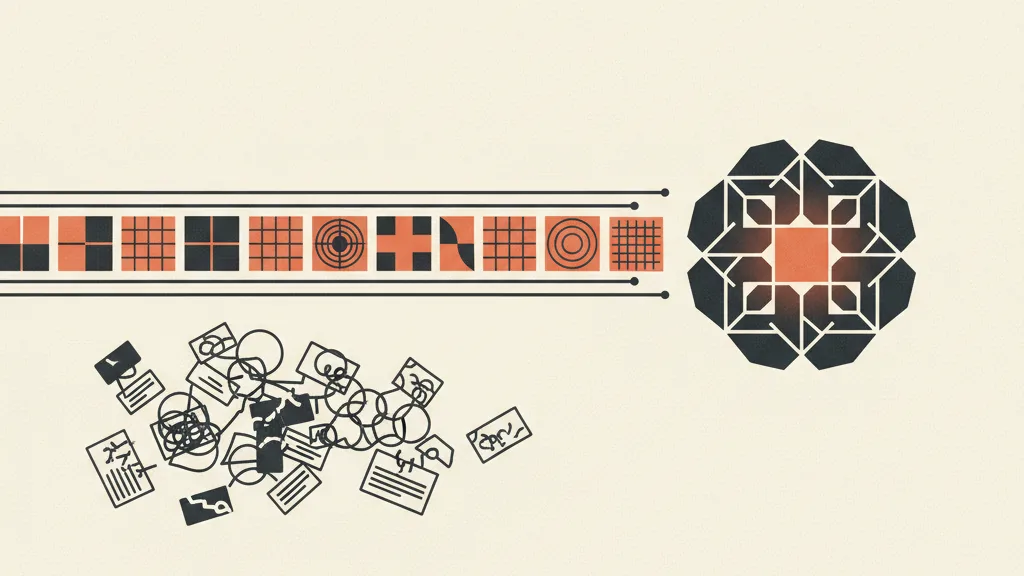
When the AI puts together its answer, it draws on titles, descriptions, product images, prices, reviews. An ad with weak or ambiguous assets gets ignored, because the AI favors clear, complete sources. The old Quality Score doesn't disappear, but it's now joined by a new, implicit criterion: how readable and usable you are to a machine that's writing an answer.
In plain terms: whoever has clean product feeds, structured descriptions, and consistent data between the site and Merchant Center wins. Whoever has thin product pages and messy feeds gets left out of the AI answer, even if they had a good Quality Score on the classic SERP.
4. Attribution gets (even) harder
If a user engages with your offer inside a conversation, maybe without an immediate traditional click, the conversion path fragments further. Classic attribution models, already strained by the so-called messy middle of the buying journey, struggle even more. The answer isn't "measure the last click better", it's consolidating your first-party data and your offline CRM conversions, so you can attribute value even to paths that are no longer trackable end-to-end inside the panel.
The edge that makes the difference: product data and AI-readable content
This is where the real competitive advantage sits, and it's the part almost nobody is paying attention to yet. In a world where Gemini chooses what to show, whoever hands it the cleanest material to read wins. There are two levers.
Lever 1: structured product data and an impeccable feed
For e-commerce, and for anyone selling products, the Merchant Center product feed becomes the primary source the AI draws from. Having one isn't enough: it needs to be complete and consistent. Concretely:
- Descriptive titles that include brand, product type, and a distinguishing attribute (material, size, color, use case), not internal codes.
- Rich but clean descriptions, no keyword stuffing, because the AI penalizes redundant text.
- Structured attributes filled in fully (GTIN, Google category, availability, price, condition).
- Prices and availability always aligned across the feed, the site, and Merchant Center. Inconsistencies get the listing discarded.
- Sharp images on a clean background that the AI can actually use in its answer.
If you sell online, before touching your campaigns it makes sense to fix the foundation: an optimized product page doesn't just help conversion on the landing page, it also feeds what the AI can show about you. It's the same logic behind a Shopping strategy for e-commerce, carried into this new conversational context.
Lever 2: AI-readable content
For services and B2B businesses you don't have a product feed, but you have something analogous: the content on your site that the AI uses to understand what you do and whether you're relevant to a question. AI-readable content is explicitly structured:
- Headings and subheadings that answer real questions, not vague slogans.
- Direct, concise answers in the opening paragraphs, because the AI extracts text that gives the answer right away much more easily.
- Concrete data, indicative prices, examples, tables: elements the AI can cite without having to invent them.
- Consistency between what the ad says and what the user finds on the page.
It's the same logic behind writing for the web in 2026: you're no longer optimizing just for the crawler, but for a model that has to build an answer using your content as a source. Whoever writes clear, verifiable pages has a better shot at making it into the answer, both organic and sponsored.
Want to know if your account and feeds are ready for AI Mode ads? Request an analysis: we'll tell you where to act first so you don't fall behind.
What to do today: a practical 6-step checklist
You don't need to overhaul everything. You need to get the fundamentals in order, so that as ads in AI Mode become pervasive in Italy too, you're already positioned. Here's the priority order I'd recommend.
- Clean up your product feed (if you run an e-commerce store). It's the highest-impact and most overlooked fix. Titles, attributes, images, price consistency, before anything else.
- Make your landing pages and key pages AI-readable. Direct answer up top, clear structure, concrete data. This applies to both products and services.
- Make full use of flexible assets. Fill in every headline, description, and available asset extension: the more quality material you give Google, the more combinations the AI can assemble inside its answer.
- Consolidate your first-party data. AI-driven campaigns feed on signals. Your first-party data (customer lists, CRM conversions) becomes the fuel that separates whoever's steering the algorithm from whoever's along for the ride.
- Review your tracking. With more fragmented paths, solid conversion tracking and enhanced conversions are the foundation for not making decisions blind.
- Shift your focus from clicks to value. Update dashboards and reports to measure conversions, CAC, and return, not CTR in isolation. In a world with fewer clicks, the click is no longer the right metric.
If you're already working on an updated Google Ads strategy for 2026, these six moves fit right in. AI Mode isn't a separate chapter, it's the evolution of the same direction Google took with Performance Max and smart bidding: handing operational decisions over to the AI in exchange for the quality signals you have to provide.
What NOT to do (the predictable mistakes)
Some gut reactions are counterproductive in this scenario.
- Don't panic over a falling CTR. A lower CTR with stable or growing conversions isn't a problem, it's the physiology of the new model. Reacting by cutting budget on healthy campaigns is a mistake.
- Don't stuff your content with keywords to "please the AI". You'll get the opposite effect: models reward clarity, not density. It's always worth avoiding the classic budget-wasting tactics dressed up as new ones.
- Don't wait for a "full rollout in Italy". Fixing the fundamentals (feed, content, data) takes weeks of work. Whoever starts once AI Mode is already dominant catches up months late.
- Don't rely solely on Google for measurement. With attribution getting murkier, having a CRM that ties leads to actual sales is what lets you truly understand what's working.
In summary
Ads in AI Mode don't kill Google Ads, they change the rules. The ad moves inside the answer Gemini generates, clicks drop but get more qualified, and selection rewards whoever provides structured product data and machine-readable content. The work to do today isn't exotic: get your feed, landing pages, assets, and first-party data in order, and stop measuring in clicks, start measuring in value. Whoever does this now will be ready when the model becomes the standard, and that's no small thing. In advertising, getting ahead of the curve is almost always the real competitive advantage.
Frequently asked questions
What is Google Ads AI Mode?
It's the set of ads that appear inside Google's AI-generated answers, both in AI Overview at the top of the SERP and in AI Mode, the conversational search experience powered by Gemini. The ad no longer sits next to the results, it's inserted directly into the text of the answer, based on relevance to the intent of the conversation.
Do AI Mode ads lower CTR?
Generally yes, because AI answers reduce the overall number of clicks (the so-called zero-click searches). But the clicks that remain tend to be more qualified, because the user has already filtered themselves by reading the summary. The advice is to stop evaluating CTR in isolation and look at conversion rate and cost per conversion instead.
When will AI Mode ads arrive in Italy?
Google made the direction explicit at Google Marketing Live 2026 and is rolling out ads in AI answers progressively, by region and query type. Full rollout timing in Italy can vary, so it's worth preparing your feed, content, and first-party data now instead of waiting for the complete release.
How do I prepare my Google Ads account for AI Mode?
In priority order: clean up your product feed (descriptive titles, complete attributes, consistent prices), make your landing pages AI-readable with direct answers and concrete data, fill in every flexible asset and extension, consolidate your first-party data and CRM conversions, and update your tracking and reporting to measure value rather than just clicks.
What does AI-readable content mean?
Content structured so an AI model can read it and use it as a source to compose an answer: headings that answer real questions, a direct answer in the opening paragraphs, concrete data and citable examples, consistency between the ad and the landing page. It does not mean stuffing it with keywords, which actually gets penalized.
Does AI Mode make Quality Score irrelevant?
No, Quality Score still matters, but it's now joined by a new criterion: how clear and usable your assets and content are for the AI composing the answer. A good Quality Score on the classic SERP isn't enough if your feed and product pages are thin, because the AI favors complete, consistent sources.
Getting ready for AI Mode means putting your feed, content, and first-party data in order. Let's talk: we'll build the foundation together that gets you ready when the new model becomes the standard.