Google Ads Demand Gen: the campaign type built to create demand in 2026
9 min read · AstraLoop Studio
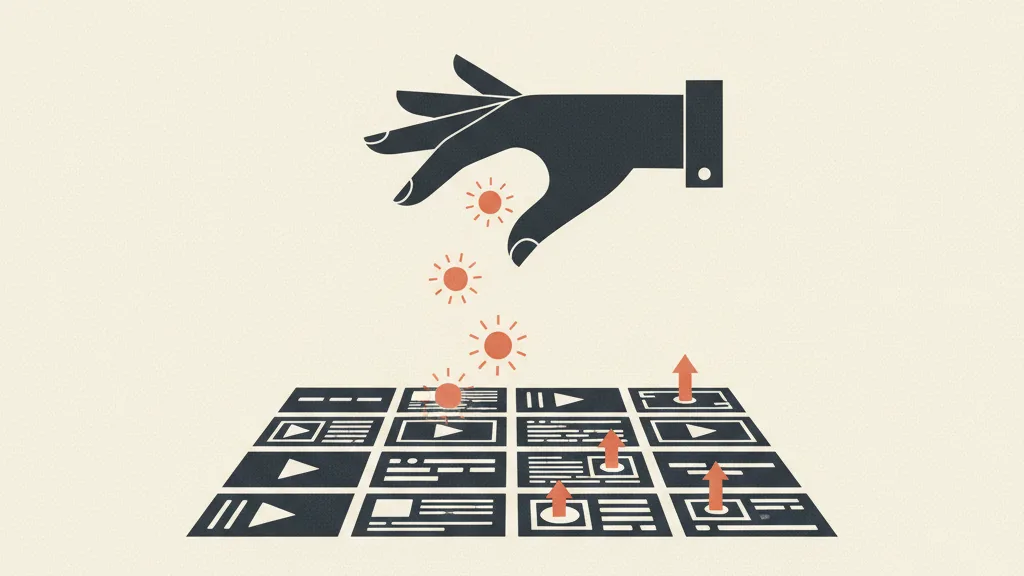
Google Ads was built to capture demand: someone searches "plumber in Chicago" and you show up. It works great, but it has a structural limit. You can only fish from the pool of people already searching for what you sell. Once that pool runs dry, growth stalls and cost per click climbs. Demand Gen exists precisely to break through that ceiling: it's the campaign type that creates demand rather than just capturing it, putting your products in front of people who weren't looking for you but fit the profile of someone who would buy.
In this guide we'll cover exactly what it is, which channels it runs on, how it differs from the old Discovery campaigns it replaced and, above all, how it fits together with Performance Max to build a funnel that covers everything from awareness to conversion. No abstract theory: numbers, selection criteria and practical setup.
What Demand Gen is and why it replaced Discovery
Demand Gen is the Google Ads campaign type built for the top and middle of the funnel. Here the goal isn't to close an immediate sale on explicit intent, but to generate interest and consideration among an audience that doesn't yet know the product or isn't actively searching for it. Google launched it in late 2023 as an evolution of Discovery Ads, and throughout 2024 every Discovery campaign was migrated automatically to Demand Gen. Today Discovery effectively no longer exists: if you still see it mentioned in an older guide, treat it as outdated.
The difference isn't just the name. Compared to the old Discovery, Demand Gen brought three concrete upgrades:
- Full YouTube inventory: no longer just the Discover feed and Gmail, but also YouTube's video formats (in-stream, in-feed and, above all, Shorts), which today are the real engine of demand creation.
- Richer creative formats: image carousels, vertical video, and asset combinations that Google assembles based on placement.
- More advanced controls: lookalike audiences built from your own first-party data, exclusions, and optimization toward conversions or value.
The right way to frame it: Demand Gen is Google's answer to Meta and TikTok's visual social campaigns. It's "interruption advertising" (showing an ad to someone who isn't searching for it) brought inside the Google ecosystem, running on Google's own intent signals and audiences.
Which channels it runs on: YouTube, Discover and Gmail
A single Demand Gen campaign distributes your creative across three surfaces, all Google properties with billions of active users. It's worth understanding the role of each, because it changes how you think about creative.
YouTube (including Shorts)
This is the channel with the greatest volume and impact. Demand Gen serves in-stream ads (before or during videos), in-feed ads (in search results and on the homepage), and ads on Shorts, the vertical format that by 2026 accounts for a huge share of watch time. Here, short vertical video shot in a "native" style — not like a TV spot — performs best. If you want to go deeper on formats that work, the logic is the same as the most effective video creative types we use for social.
Google Discover
This is the personalized feed Android and Google app users see when scrolling their phone: a stream of content curated around their interests. Here Demand Gen ads appear as image cards, woven into the editorial flow — a "passive discovery" context, perfect for visual products.
Gmail
Ads appear in the Promotions and Social tabs of the inbox, as sponsored emails that expand on click. It's the least flashy of the three channels, but useful for retargeting and for audiences that are already warm.
The key point: you don't choose the mix across the three channels. Google automatically allocates budget to wherever it finds the best conversion opportunities, exactly as it does with Performance Max. You can, however, upload different assets (video for YouTube, images for Discover), and Google will use them in the right placement.
How to build a Demand Gen campaign
Setup is less automated than Performance Max and leaves you more control. Here are the pieces you need to prepare.
1. Goal and bidding strategy
Demand Gen supports maximizing conversions, conversion value, or, for higher-funnel goals, clicks. The choice changes everything: if you're targeting conversions you need solid tracking in place upstream, otherwise the algorithm optimizes blind. Before launching, make sure your conversion tracking is clean and that enhanced conversions are active: they're the fuel that powers optimization.
2. Audiences
This is where Demand Gen shines. You can use:
- Custom segments built from keywords, URLs, and apps your typical customer uses.
- Lookalike audiences generated from your customer or converter lists. This is exactly why first-party data becomes a strategy: the richer and more up to date your lists are, the better the audiences Google derives from them.
- In-market and affinity segments pre-built by Google.
A practical tip: start with lookalikes built from your highest-value customers, not from every lead indiscriminately. The quality of the input signals determines the quality of the resulting audience.
3. Creative
Demand Gen lives on images and video. You need assets in multiple formats (square, horizontal, vertical), short videos (ideally under 15-30 seconds), and short copy. The golden rule is that the creative has to stop the scroll in the first two seconds, because you're interrupting someone who wasn't looking for you. The same dynamics that make a hook work in creative ads apply here identically: an immediate hook, a clear benefit, zero preamble.
A common mistake is recycling creative built for Search or static Display without changes. Demand Gen is a social-feed environment: it demands native visual language, not an institutional ad.
Want to know whether Demand Gen can unlock growth for your Google Ads account, or whether it makes more sense first to fix how you capture existing demand? Request an analysis: we'll look at your numbers and tell you where it's worth investing.
Demand Gen vs Performance Max: when to use which
This is the question that really matters, because the two campaign types look similar (both automated, both multichannel) but serve different purposes. Confusing them is the fastest way to waste budget.
| Aspect | Demand Gen | Performance Max |
|---|---|---|
| Funnel stage | Top and middle (demand creation, consideration) | Bottom (demand capture, conversion) |
| Channels | YouTube, Discover, Gmail | All: Search, Shopping, Display, YouTube, Discover, Gmail, Maps |
| Includes text Search? | No | Yes |
| Audience intent | Cold or lukewarm, not actively searching for you | Includes people actively searching for you |
| Control | Medium (audiences, exclusions, visible channels) | Low (near-black box) |
| Typical goal | Awareness, consideration, first contact | ROAS, sales, direct leads |
The substantial difference: Performance Max also captures existing demand (because it includes the Search network), while Demand Gen creates demand from scratch among audiences who don't know you yet. If you want to understand PMax's logic and its risks in more depth, we have a dedicated guide to Performance Max; for the comparison with classic Search there's an article on when to choose PMax vs Search.
The overlap risk
Because both run on YouTube, Discover and Gmail, there's a real danger: they can "steal" the same conversions from each other, inflating one campaign's apparent results at the other's expense. Best practice is to keep PMax focused on conversion (perhaps excluding brand traffic so you don't pay for people who would have searched for you anyway) and use Demand Gen for new audiences, measuring real incremental impact rather than just last click.
The full-funnel strategy: Demand Gen and PMax together
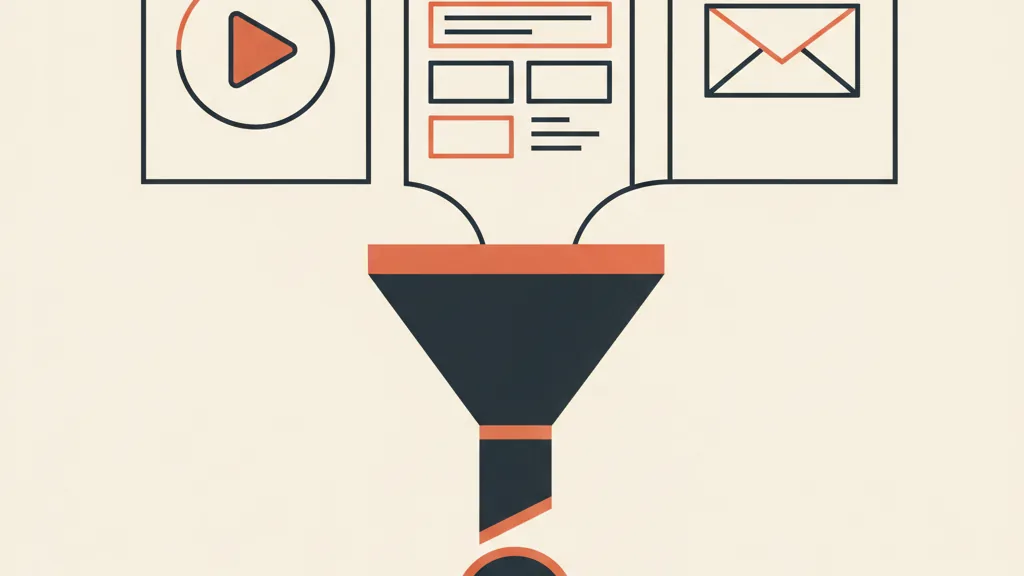
This is where the real value lies. On their own, they're two campaigns. Combined, they become a system that covers the entire purchase journey — what Google calls the "messy middle" of the purchase journey: the confusing zone where people oscillate between exploring and evaluating before deciding.
The framework that works:
- Demand Gen at the top: it reaches high-potential cold audiences on YouTube and Discover, exposes them to the brand and product, and generates consideration and first visits to the site.
- Remarketing and consideration: people who engaged but didn't convert enter retargeting lists. Here dynamic remarketing reminds them of the product they saw.
- Performance Max and Search at the bottom: once those people start actively searching (because the demand you created has turned into explicit intent), PMax and Search campaigns capture them and close the conversion.
The mechanism is simple: Demand Gen sows, PMax and Search reap. If you only measure last click, Demand Gen will always look "expensive", because the credit for the conversion ends up with the bottom-funnel campaign. That's why choosing the right attribution model is decisive: without a data-driven model, or at least an incremental read, you'll cut the campaign that generates demand and wonder why sales drop.
When it makes sense to start with Demand Gen
Not for everyone. Demand Gen performs best when:
- you have a visual product or service, one that tells its story well in image or video;
- your search pool is saturated and Search can't grow anymore at sustainable cost;
- you have solid first-party data (customer lists, converters) to build quality lookalikes;
- you can produce creative at volume, because asset turnover matters more here than in Search.
If instead you're starting from zero, have limited budget and no demand yet to capture, it's often more efficient to first build a Search and PMax base on existing intent, then add Demand Gen when you need to scale beyond the ceiling of spontaneous demand. For the overall account design, our strategic guide to Google Ads for 2026 lays out the priorities.
Mistakes to avoid with Demand Gen
- Expecting immediate conversions like Search. You're creating demand: the results show up further down the funnel, not instantly. Give it time and adequate conversion windows.
- Poor or recycled creative. In a social feed, the institutional ad dies. You need native, vertical assets with a hook in the first seconds.
- Audiences too broad or too narrow. Lookalikes built on tiny or messy lists produce weak signals. Take care of your first-party data upstream.
- Measuring only last click. That's the surest way to undervalue Demand Gen and cut it by mistake.
- No budget for retargeting. The people Demand Gen brings you need to be followed up: without a remarketing loop, you sow and never reap.
I'll close with the principle that ties everything together: in a mature Google Ads account, Demand Gen doesn't compete with Performance Max, it fuels it. One creates the pool, the other converts it. Treating them as two separate silos is the most expensive mistake you can make; treating them as two phases of the same system is what unlocks growth once existing demand alone isn't enough anymore. And as with any acquisition system, the real multiplier happens downstream: what happens to the lead once it comes in. That's where a CRM integrated with the sales funnel turns impressions into real customers.
Frequently asked questions
Did Demand Gen replace Discovery Ads?
Yes. Google launched Demand Gen in late 2023 and throughout 2024 automatically migrated every Discovery campaign. Discovery no longer exists as a campaign type: Demand Gen is its heir, with the added benefit of full YouTube inventory (including Shorts) and richer creative formats.
Which channels does a Demand Gen campaign run on?
On three Google surfaces: YouTube (in-stream, in-feed, and Shorts), the Google Discover feed, and Gmail (Promotions and Social tabs). You don't choose the mix: the algorithm allocates budget to wherever it finds the best opportunities, but you can upload different assets for each channel.
What's the difference between Demand Gen and Performance Max?
Performance Max operates at the bottom of the funnel and includes the Search network, so it also captures people already searching for you. Demand Gen sits at the top and creates demand among audiences who don't know you, running only on YouTube, Discover and Gmail. In short: Demand Gen sows, PMax reaps.
Can Demand Gen and Performance Max run together?
Yes, and it's the ideal full-funnel setup: Demand Gen generates demand at the top, remarketing nurtures it, and PMax plus Search convert it at the bottom. The one thing to watch is measuring incremental impact rather than last click, since both run on some of the same channels and can end up claiming the same conversions.
How much budget do you need to start with Demand Gen?
There's no fixed threshold, but since it's a demand-creation campaign it needs a learning period and a longer conversion window than Search. It's better to start with a budget that can sustain a few weeks of testing without constant cuts, and with solid conversion tracking already in place upstream so you're not optimizing blind.
Which businesses does Demand Gen work best for?
For visual products and services that tell their story well in image or video, for businesses that have already saturated their search pool, and for those with solid first-party data (customer lists, converters) to build quality lookalike audiences from. If you don't yet have demand to capture or creative at volume, it's often better to start with Search and PMax.
We build acquisition systems that connect advertising, funnel, and CRM: from creating demand to closing the customer. Talk to us and let's work out together how to set up a complete funnel for your business.