How Much Does It Cost to Reactivate a Dormant Customer (Real Prices and ROI)
10 min read · AstraLoop Studio
The question almost always arrives the same way: "I've got a database of old contacts that's been sitting untouched for years, how much would it cost to try to wake it back up?" The short answer is that it costs a lot less than you think, often 5 to 7 times less than acquiring a brand-new customer. The long answer depends on the channel, the volume, and how messy your starting database is.
In this article you'll find the real numbers: how much it costs to reactivate a customer over email, SMS, WhatsApp and with an AI voice agent, how much weight each channel carries in the final bill, and how comparing it to your CAC (customer acquisition cost) turns reactivation from a "seasonal promotion" into an actual financial lever. At the end you'll also see how Italy's Transition 5.0 incentives can cut the cost of the infrastructure needed to do it right.
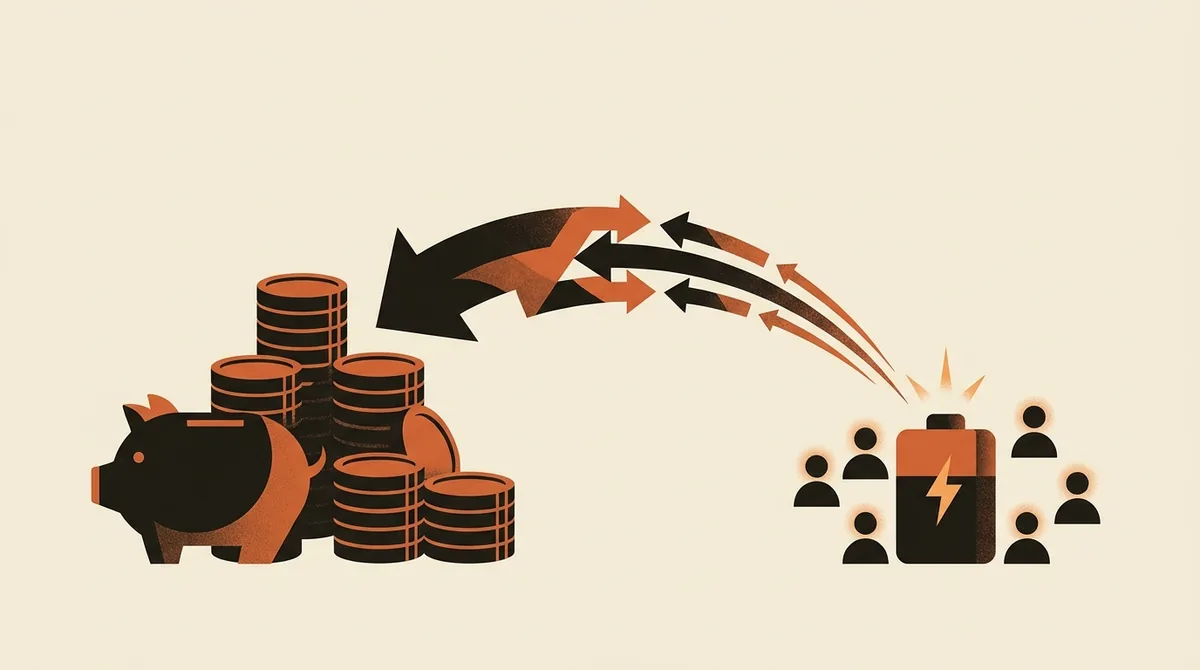
Reactivation cost isn't a single number
Before we get to prices, one clarification that will save you from comparing apples to oranges. "How much does it cost to reactivate a customer" can be measured two different ways, and they need to be kept separate.
- Cost per contact reached: what you spend to get a message in front of one person in the database. Here we're talking fractions of a euro.
- Cost per customer actually reactivated: the total campaign spend divided by the number of people who come back and buy. This is the number that matters for ROI, and it's always higher than the first one.
A concrete example. You send a campaign to 10,000 dormant contacts. If the cost per contact is €0.05, you've spent €500 to reach all of them. If 4% come back to buy (400 people), your cost per reactivated customer is 500 divided by 400, or €1.25. Compare that number to your CAC and you'll immediately see why reactivation is the most underrated lever in Italian marketing.
If you're still not sure what separates a "dormant" contact from one that's gone for good, start with the fundamentals on dormant customers. It completely changes how you set up the campaign and the budget.
Cost per channel: the real numbers
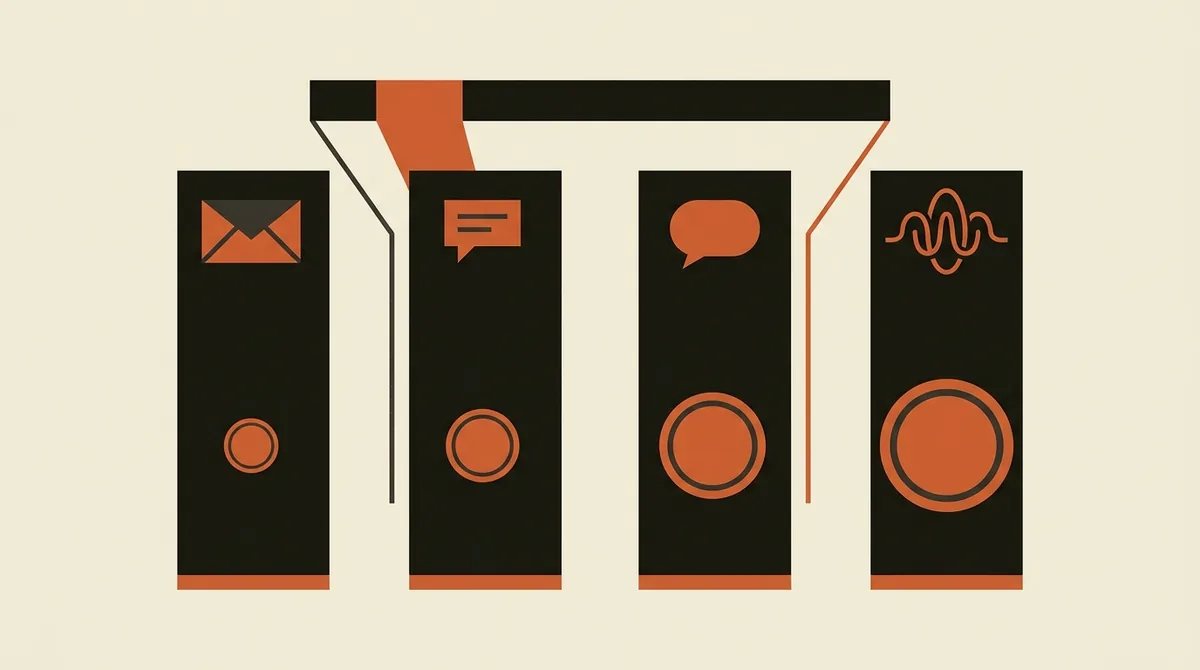
Every channel has a different cost structure. Here are the ranges we see on the Italian market in 2026, for a mid-sized database (a few thousand contacts). Prices are per contact reached, excluding VAT.
| Channel | Cost per contact | Typical open rate | Notes |
|---|---|---|---|
| €0.001 - €0.01 | 15 - 35% | The cheapest channel. The real cost is deliverability, not sending. | |
| SMS | €0.04 - €0.08 | over 98% | Costs more but gets read almost every time. Documented ROI above 1,000%. |
| WhatsApp Business | €0.05 - €0.13 (per conversation) | high | Meta's tariff per business-initiated conversation. Enables two-way dialogue and bookings. |
| AI voice agent | about €0.40 per call | 15 - 35% positive response | Against €7 - €12 for a human agent. Changes the economics of outbound calling entirely. |
Email: nearly free to send, expensive to get wrong
Email is the channel with the lowest marginal cost: sending to 10,000 contacts costs a few euros. But this is exactly where almost everyone burns money without realizing it. Reactivating an old list badly means sending to dead inboxes, generating spam complaints, and tanking your domain reputation. The result? Your future emails, including the ones to active customers, end up in spam.
The hidden cost of email isn't the sending, it's the risk of wrecking your deliverability. In 2026 the standards are strict: DMARC alignment, spam complaint rate under 0.3%, mandatory one-click unsubscribe. Before launching a win-back campaign on a list that's been dormant for years, it's worth understanding why emails end up in spam and getting SPF, DKIM and DMARC in order. Skip that step and the "free channel" becomes the most expensive one of all.
SMS: expensive to send, unbeatable at getting opened
An SMS costs 40-80 times more than an email, but it gets opened over 98% of the time, usually within minutes. For a dormant list with valid phone numbers, it's one of the highest-ROI channels around. The practical rule: use SMS when the message is short, time-sensitive, and paired with a clear incentive. If you want to understand just how much the SMS open rate really matters, that's where the line between a costly channel and a profitable one gets drawn.
WhatsApp: pricier, but you actually get to talk
WhatsApp Business has a per-conversation cost (billed by Meta) higher than a single SMS, but it offers something the other channels don't: dialogue. A contact replies, an automation qualifies them, offers a time slot, and books the appointment, all without a human agent. For services and B2B businesses where reactivation leads to a booking rather than an instant purchase, the cost per conversation pays for itself quickly. It's worth weighing against the practical differences between WhatsApp and SMS marketing.
AI voice: the channel that rewrites outbound economics
This is where the gap is starkest. A reactivation call made by a human agent costs between €7 and €12, factoring in time, salary and management. An AI voice agent makes the same call for about €0.40, with positive response rates of 15-35% on cold databases. The difference isn't "a bit less", it's an order of magnitude. With the same budget a human call center uses to make 100 calls, an AI voice agent makes nearly 2,000.
That opens up scenarios that used to be unthinkable: calling the entire dormant database, not just the "premium" contacts. If you want to see how it works in practice, we've covered AI outbound for contact reactivation and how AI answers and holds a phone conversation in detail.
The real comparison: reactivation versus acquisition (CAC)
Now for the part that should change how you think about your budget. The average customer acquisition cost (CAC) in Italy varies wildly by industry, but for most B2B SMBs and service businesses it comfortably sits between €50 and €300 per customer, once you count advertising, sales time and tools. In competitive ecommerce it can be lower on the first purchase, but the cost of generating qualified cold traffic only keeps climbing.
Reactivating a dormant customer typically costs 5-7 times less. The reason is simple: that person already knows you, has already bought from you, has already crossed the trust barrier. You don't have to pay to get discovered, you don't have to educate them, you don't have to reassure them from scratch. You just have to give them a good reason to come back.
| Metric | New customer acquisition | Dormant customer reactivation |
|---|---|---|
| Typical cost per customer | €50 - €300 | €1 - €40 |
| Trust to build | From zero | Already there |
| Available data | Little to none | Full purchase history |
| Time to conversion | Long | Short |
In financial terms: every reactivated customer pulls your average acquisition cost down. It's not "a promotion", it's a lever on the number your accountant checks to see if the business is healthy. We've dedicated a deep dive specifically to reactivation cost versus acquisition cost, and it's the read we'd recommend if you need to convince a partner or a CFO. For the full picture of the metrics involved, take a look at unit economics KPIs: CAC, CPL and LTV.
Spending smarter: sending the offer only where it makes sense
Cost per contact is low, but multiply it by a huge database and add incentives (discounts, vouchers) on top, and the bill climbs fast. This is where list intelligence comes in, the most underrated way to bring reactivation costs down.
With RFM segmentation (Recency, Frequency, Monetary) you catch the segments that are about to go dormant ("About to Sleep", "Hibernating") before they become unrecoverable, and you concentrate budget and incentives only where they're needed. With churn prediction (models like Random Forest or Gradient Boosting) you send the most aggressive offer only to contacts with a high probability of churning, instead of handing out discounts to people who would have come back anyway.
The practical rule: don't treat 10,000 dormant contacts the same way. Someone who's been gone for 3 months doesn't need the same incentive as someone who's been gone for 3 years. Good segmentation can cut your effective reactivation cost in half, because you spend less on wasted incentives and more on targeted messaging. Automated win-back sequences, for that matter, can generate up to 320% more revenue than a single undifferentiated broadcast send.
Want to know how much it would cost to reactivate your specific database, and what return to expect? Request a free analysis: we'll look at your numbers together and give you a concrete estimate.
Transition 5.0: how to cut the cost of your infrastructure
So far we've talked about variable cost: sends, calls, incentives. But there's also a fixed cost, the infrastructure that orchestrates everything (CRM, automations, voice agent, integrations). This is where public incentives come into play.
The Transition 5.0 plan (introduced under Decree-Law 19/2024, Italy's so-called PNRR decree) supports investments in capital goods and software that drive digitalization and efficiency, including AI and automation solutions, with a tax credit, provided they're tied to a project that reduces the energy consumption of the production facility. The credit percentages vary based on the energy savings achieved and the size of the investment.
Fair warning: Transition 5.0 has specific requirements (technical assessments, ex-ante and ex-post certifications on energy savings) and isn't a straightforward discount on any marketing software. It needs to be evaluated case by case with a qualified consultant, checking the current regulations and updated deadlines on the GSE and MIMIT websites. Nothing here should be taken as tax advice: it's an informational starting point, and actual eligibility depends on your specific project. For the full landscape of available incentives, we've put together a rundown of 2026 AI incentives for SMBs.
The strategic point: if you're already planning to invest in an automation system, doing it inside a project that qualifies for the incentive can significantly cut the cost of your reactivation infrastructure. And that, on top of the savings from AI voice calling, makes the ROI math even more favorable.
Running the numbers: a full example
Let's put the pieces together with a realistic case. A B2B services company with 5,000 dormant contacts in the CRM, untouched for over 18 months.
- Cleaning and segmentation: RFM across the 5,000, narrowing focus to the 2,500 with a valid, recent purchase history.
- Email win-back (automated 3-step sequence): negligible sending cost, roughly €20-30 including tools and amortized setup. Reactivates 3% (75 contacts).
- AI voice outbound to non-responders (roughly 2,000 calls at €0.40): €800 total. With a 20% positive response rate, more contacts get requalified and appointments get booked.
- WhatsApp for anyone who answered the call: closes bookings automatically.
Let's say the total campaign lands around €900-1,000 and reactivates 150 customers. Cost per reactivated customer: roughly €6-7. With a company CAC of €150, you're acquiring customers at a twentieth of the price, from people who already know you and convert at a much higher rate than cold traffic.
That's why reactivation should be the first thing you look at, not the last. Before you turn up the advertising tap, plug the hole in the bucket. If you want the full strategic picture, our complete guide to reactivating dormant customers in your database ties all these pieces together into one operating method. If you'd rather hand off execution, take a look at how a dormant customer reactivation service works.
In short
Reactivating a customer costs very little: from under €1 (a well-built email) to a few dozen euros in cases with heavy incentives, almost always 5-7 times less than acquisition. Cost per contact ranges from fractions of a cent for email to about €0.40 for an AI call, versus €7-12 for a human agent. The number that matters isn't the sending cost but the cost per reactivated customer, and that's where reactivation beats acquisition on every metric: trust already built, data already available, faster conversion. Add smart segmentation so you don't waste incentives, and Transition 5.0 incentives to cut your infrastructure cost, and you get the most efficient lever you have to grow revenue.
Frequently asked questions
How much does it cost on average to reactivate a dormant customer?
It depends on the channel, but the cost per customer actually reactivated often falls between €1 and €40, versus €50-300 for acquisition. On average, reactivation costs 5-7 times less than acquiring a new customer, because trust is already built and you already have their purchase history.
What's the cheapest channel for reactivation?
Email has the lowest sending cost (fractions of a cent per contact), but the hidden cost is the risk of wrecking your domain's deliverability if you work an old list without cleaning it first. SMS costs more (€0.04-0.08) but gets opened over 98% of the time, with ROI often above 1,000%.
How much does a reactivation call with an AI voice agent cost?
About €0.40 per call, versus €7-12 for a human agent. Positive response rates on cold databases run 15-35%. With the budget of 100 human calls, an AI voice agent makes nearly 2,000, making it affordable to call the entire database instead of just the premium contacts.
Is reactivation really worth it compared to advertising?
Yes, almost always. Before increasing your ad budget, it pays to reactivate your dormant contacts, since they already know you, have already bought from you, and convert at a much lower cost. Every reactivated customer also pulls your average acquisition cost down, making it a financial lever as much as a promotion.
How do I avoid wasting budget on unnecessary discounts?
By using RFM segmentation and churn prediction: you send the most aggressive offer only to contacts with a high probability of churning, instead of giving discounts to people who would have come back anyway. Not treating every dormant contact the same way can cut your effective reactivation cost in half.
Do the Transition 5.0 incentives cover customer reactivation?
Transition 5.0 (Decree-Law 19/2024) supports investments in software and automation tied to a project that reduces energy consumption with a tax credit, subject to specific technical requirements and certifications. It's not an automatic discount on any marketing tool: it needs to be evaluated case by case with a qualified consultant, checking current regulations on the GSE and MIMIT websites.
Talk to us: we'll analyze your dormant database, estimate cost per reactivated customer and ROI, and tell you which channels make sense for your business.