Custom CRM for Plumbers and HVAC Contractors: Quotes, Jobs, and Clients
9 min read · AstraLoop Studio
A plumber or an HVAC contractor doesn't lose jobs because they work badly. They lose them because the quote promised "by tonight" stayed stuck in a phone note, because the client who asked about a boiler in March only got called back in April (by which point a competitor already had the job), because the job schedule lives on a whiteboard in the office that only the office manager can read.
The paradox is that there's no shortage of software meant to handle all this. But almost all of it is generic business management software: built for invoicing and awkwardly bent to fit the world of job sites and on-site call-outs. Search "CRM for plumbers" and you get the same four or five names every time, good enough for everyone and great for no one. This is exactly where a custom CRM for trade contractors changes the rules: built around your actual workflow, not the one imagined by whoever sells monthly licenses.
In this article we look, without the fluff, at what a CRM like this should actually do, where quotes and jobs get lost, and how to tell whether a custom-built system or an off-the-shelf tool is the right call.
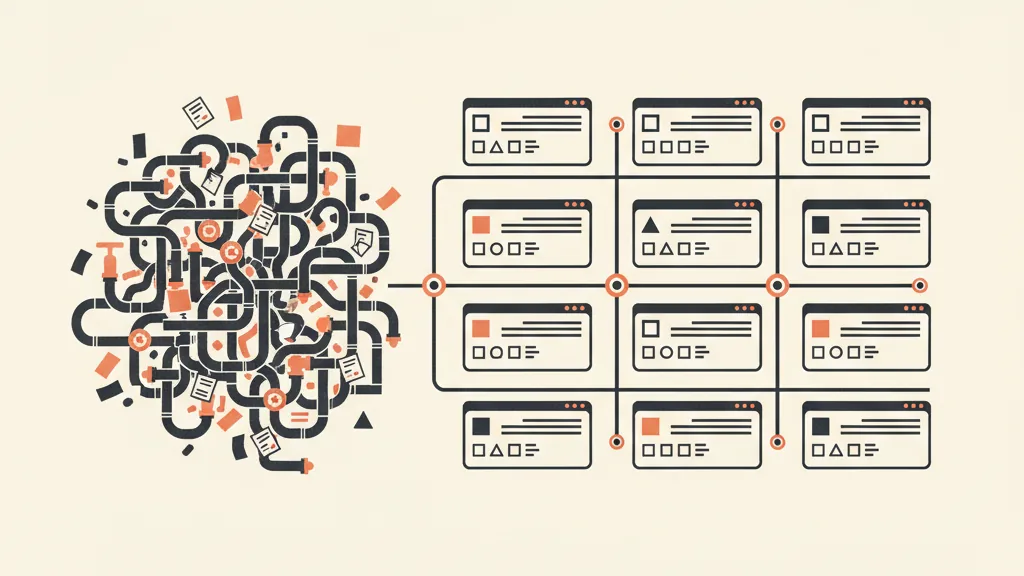
Why generic software isn't enough for a trade contractor
The work of a plumber, a boiler installer, or an HVAC company has characteristics that standard commercial CRMs almost always ignore:
- Quoting is its own trade. It's usually done after a site visit, with recurring line items (labor, materials, call-out fee, differentiated tax on renovation work), and then it needs chasing. One in three quotes falls through simply because nobody followed up.
- Every job has logistics behind it. Who's going, when, with which van and which parts. A missed or double-booked appointment is time paid for and wasted.
- Maintenance is recurring. Boilers due for their certificate renewal, AC filters, periodic checks. This is pure gold: clients who've already chosen you and just need contacting again at the right moment.
- The channel is WhatsApp and the phone, not email. Residential clients message or call. A CRM that doesn't capture that channel is blind exactly where the work starts.
Generic software lets you invoice, and maybe keeps a client list. But it won't tell you "these 12 quotes have been sitting untouched for over 5 days," or "these 8 boiler certificates expire next month." That's the whole difference between a CRM and a plain database: a CRM acts, it hands you the next move. If you want to understand where plain software ends and a real CRM begins, that distinction is covered well in what a custom CRM actually means.
The three leaks that cost you jobs (and how to plug them)
1. The quote that vanishes
This is the quietest way to lose work. You do the site visit, promise the quote, send it (sometimes), and then the client goes silent. In most cases they haven't chosen someone else: nobody followed up, and out of uncertainty they called whoever got back to them first.
A custom CRM keeps every quote in a precise state: to send, sent, pending, accepted, lost. And crucially it triggers an automatic follow-up: after 3 days a message goes out ("Hi, have you had a chance to look at the quote for the boiler replacement?"), after 7 days a reminder lands with the owner to make a call. It's not spam, it's the follow-up you're too busy on-site to make yourself. This systematic recovery of unclosed quotes is one of the fastest returns a CRM delivers, as we cover in sales follow-up automation.
2. The schedule that double-books
Two crews, three call-outs in one morning, an emergency that comes in at 10am. On a whiteboard or a WhatsApp group this turns into chaos: double bookings, clients waiting at home for a technician who's somewhere else.
A vertical CRM manages job scheduling as a shared calendar by technician and by area, with a job status (scheduled, in progress, completed, to be re-invoiced) and the materials attached to it. Add automatic client reminders the day before and you drastically cut down on schedule gaps: whoever confirms shows up, whoever doesn't reply gets a follow-up call. It's the same logic behind automatic reminders that cut no-shows, applied to the van instead of the office.
3. The client you never call back
You installed a boiler two years ago. That client is worth an annual check, a certificate renewal, and eventually a replacement. But without a system that flags it, you only "rediscover" them when they call you (or when a competitor gets there first).
This is where a custom CRM becomes a recurring-maintenance engine: it logs the install date, calculates when the next check is due and, at the right moment, hands you the list of clients to contact. Reactivating your existing client base costs a fraction of finding new ones, a principle that holds for trade contracting just as much as any other business, which we go into in our piece on B2B lead generation.
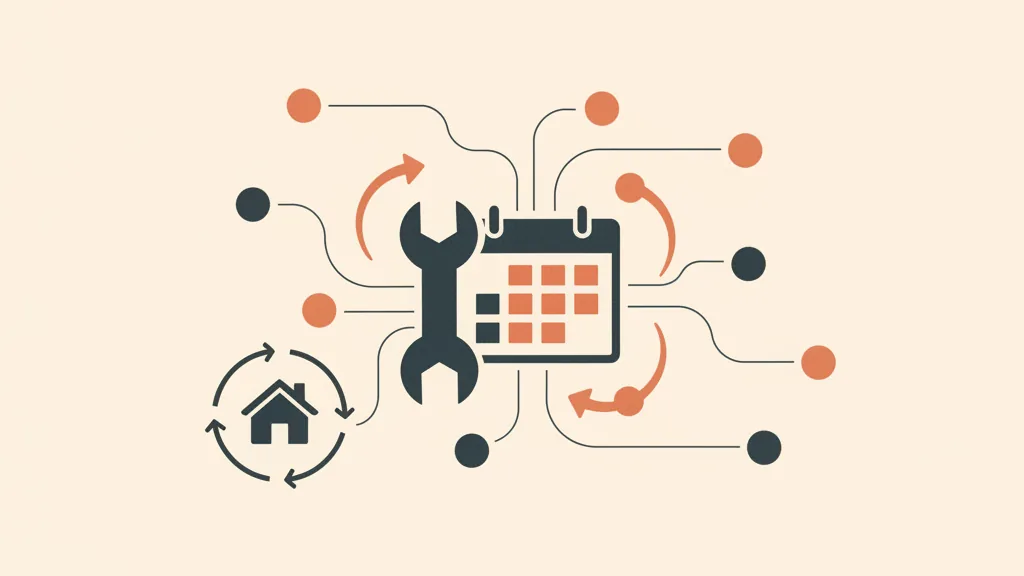
What a custom CRM for trade contractors needs to have
You don't need a monster with 200 features. You need it to do well the few things that actually matter in your trade. Here's the skeleton of a CRM that genuinely helps a plumber or an HVAC company:
| Module | What it does | Why it makes you money |
|---|---|---|
| Quotes | Templates with recurring line items, statuses, sending via WhatsApp/PDF | Close more quotes, lose fewer to forgetfulness |
| Automatic follow-up | Sequence of nudges on pending quotes | Recover 10-20% of quotes that would otherwise be lost |
| Job scheduling | Calendar by technician and area, statuses, materials | Fewer double-bookings, more jobs per day |
| Equipment records | Job history and maintenance due dates per client | Automatic recurring maintenance, monetized client base |
| WhatsApp channel | Requests and messages inside the CRM, not scattered on the phone | No leads lost between chats |
| Simple reports | Open quotes, close rate, revenue per technician | You know where you're losing money, no spreadsheets needed |
The one thing almost no generic software covers well is WhatsApp integration. For residential trade work it's the number one channel. A CRM that centralizes incoming requests there, instead of leaving them on the owner's phone, is already half the battle won. If you want to see how messaging hooks into the system, check out how to integrate WhatsApp and CRM so you stop losing leads.
Custom CRM or off-the-shelf software: how to decide
Building custom isn't always the right call. If you're a plumber working solo with three call-outs a day, a good off-the-shelf tool can be enough. A custom CRM starts paying off once these things start happening:
- You have more than two technicians or crews and scheduling is a real problem.
- You handle a lot of quotes (installations, bathroom renovations, air conditioning) and feel you're losing too many.
- You have a client base with recurring maintenance you're not tapping into.
- The off-the-shelf tools you've tried force your work to bend to their logic, and you pay for dozens of features you never use.
The practical rule: if you're spending hours every week patching generic software with spreadsheets, WhatsApp, and sticky notes, that time is already the cost of a custom system. The full reasoning on when one or the other makes sense is in custom CRM or off-the-shelf: build or buy.
An often underrated advantage of going custom: the CRM doesn't stay an isolated island. It can be fed by a client acquisition system upstream, so new requests (from local ads, the website, Google) enter the system already tagged with their status, ready for a quote. Quotes, jobs, and new clients all live in the same place instead of three disconnected tools.
Want to know how many quotes and jobs you're losing right now, and what recovering them would be worth? Tell us how you work and we'll put together a free analysis of your workflow, with a custom CRM proposal for your business.
What a custom CRM for trade contractors costs
Let's talk real numbers, without pretending there's a single price list. A custom CRM isn't a €30-a-month subscription, but it isn't the massive project some people imagine either.
| Tier | What's included | Ballpark cost |
|---|---|---|
| Essential | Quotes, job scheduling, and client records, a single channel | Modest one-off investment plus a small maintenance fee |
| Operational | Adds automatic follow-ups, WhatsApp, maintenance due dates, and reports | Mid tier, where most trade contracting businesses land |
| Integrated | Adds an upstream acquisition funnel, AI automations, and multi-crew support | Upper tier, justified by volume and more technicians |
The variable that really moves the cost isn't the number of features, but how many integrations you need (e-invoicing, WhatsApp Business, calendars, accounting) and how particular your workflow is. For a full breakdown of what makes up the price, from the first conversation to ongoing maintenance, the reference guide is what a custom CRM costs.
The right way to read these numbers isn't "cost," it's "return." If you recover even two or three quotes a month that you're currently losing to a missed follow-up call, and each one is worth a few hundred or a few thousand euros, the system pays for itself fast. Everything else (an organized schedule, recurring maintenance, less time wasted in the office) is margin that keeps accumulating every month.
A mistake to avoid: starting from the software, not the workflow
The classic trap is choosing the tool first and then trying to force your work to fit it. With a custom build it's the opposite: you start from how you actually work (who does the quoting, how requests come in, how the schedule is organized) and build the minimum needed to plug the three holes the money is leaking through.
A good CRM project for trade contractors doesn't digitize the chaos: it first puts order into the process, then automates it. This approach, organization first and technology second, is the same one we follow in every business process automation with AI project, and it works especially well for trade contracting because the workflows are repetitive and therefore easy to automate.
In summary
Plumbers and HVAC contractors don't need yet another generic software package, they need a system that ties together the three things that separate a growing business from one that's just patching leaks: quotes that close, a schedule that runs smoothly, clients who don't get forgotten. A custom CRM does exactly this, built around your trade rather than a template meant for everyone. The first step isn't buying software: it's mapping out where, right now, work is slipping through your fingers.
Frequently asked questions
Is a custom CRM for plumbers different from regular business software?
Yes. Generic software is built for invoicing and contact lists. A custom CRM for trade contracting is built around the real workflow of the trade: quotes with statuses and follow-up, job scheduling by technician and area, recurring maintenance due dates, and WhatsApp integration. It tells you what the next action is, instead of just storing data.
How much does a custom CRM cost for an HVAC or trade contracting business?
There's no single price list. An essential version (quotes, scheduling, clients) starts from a modest one-off investment plus a small monthly fee. The operational version with automatic follow-ups, WhatsApp, and reports sits in the mid tier, where most trade businesses land. Cost depends mainly on the integrations needed, more than the number of features.
How does a CRM help you stop losing quotes?
It keeps every quote in a precise status (sent, pending, accepted, lost) and triggers automatic follow-ups: within a few days a message goes to the client and a reminder goes to the owner to make a call. Most lost quotes aren't rejected, nobody just follows up in time. The CRM automates that follow-up.
Do you really need WhatsApp integration?
For residential trade work, yes, it's the number one channel. A CRM that centralizes WhatsApp requests inside the system, instead of leaving them scattered on the owner's phone, stops leads getting lost in chats and lets you respond and quote in a tracked way.
When does it make sense to go custom instead of off-the-shelf software?
When you have more than two technicians and scheduling becomes a real problem, when you handle a lot of quotes and feel you're losing too many, or when you have a client base with recurring maintenance you're not tapping into. If you're spending hours every week patching generic software with spreadsheets and sticky notes, that time is already the cost of a custom system.
How long does it take to get a working custom CRM?
It depends on complexity, but an operational version focused on the three key points (quotes, scheduling, follow-up) can be built in a few weeks. The trick is starting with the minimum needed to plug the holes the money is leaking through, and expanding later, rather than trying to build everything at once.
If quotes, scheduling, and clients currently live scattered across phone calls, spreadsheets, and sticky notes, talk to us: we'll analyze your case and show you what a CRM built around your trade would look like.