Where to Find UGC Creators for Your Campaigns in 2026
9 min read · AstraLoop Studio
You've decided to lean into UGC for your campaigns. Good call: videos shot by real people, phone in hand, still beat polished ads in almost every e-commerce category. The practical question remains: where do you actually find these creators, what will they cost you, and how do you avoid paying $150 for a video you can't use?
In 2026 you have three options: UGC marketplaces (platforms that connect you with hundreds of creators), agencies that handle everything for you, and direct outreach on social media. Each has a different cost, control, and speed profile. On top of that, a fourth path has emerged over the past couple of years that doesn't replace the others but complements them: AI-UGC. Let's break it all down, with real numbers and criteria for getting the selection right.
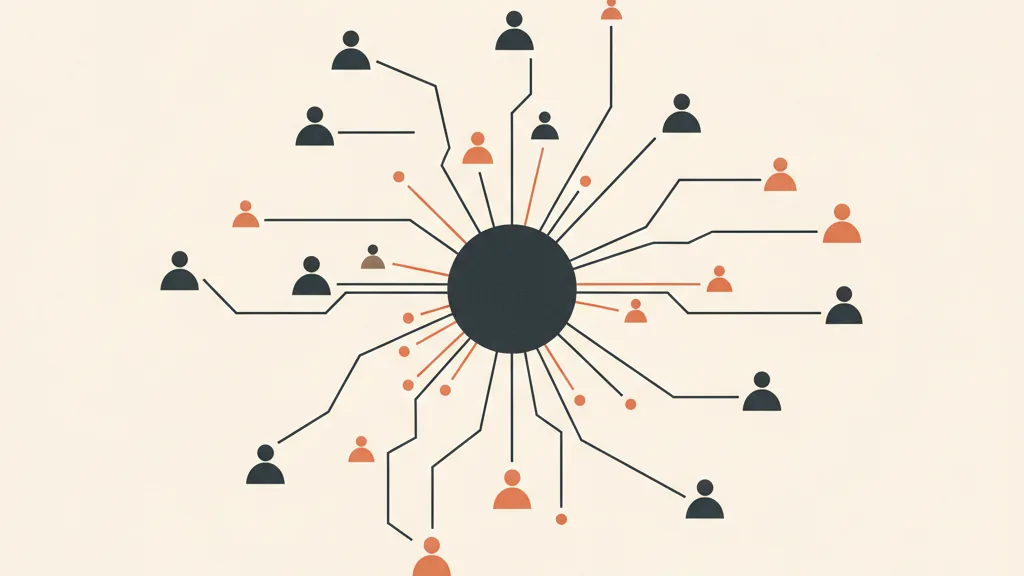
Three ways to recruit UGC creators
Before you open ten browser tabs, get clear on what you actually need. Do you want 3 videos a month to test different angles? A steady stream of 20 assets to feed always-on Meta campaigns? A recurring face to become the brand's spokesperson? The answer determines the right channel.
1. UGC marketplaces
These are platforms where you post a brief, creators apply (or you pick them from a catalog), you ship the product, and you get videos back. The model resembles a content gig economy: you pay per deliverable or via a monthly subscription that gives you access to the roster.
The names you'll run into most often:
- Billo: one of the cheapest and fastest options, videos starting at around $99, vetted creators, quick turnaround. Good for volume and testing.
- Trend.io: pricing around $70 per video, geared toward brands that want creators with at least some social following on top of the video itself.
- Insense: a managed-campaign model, plans starting around $500 a month. Better suited to brands running high volume who also want whitelisting (using the creator's account to run ads).
- JoinBrands: very aggressive pricing, deliverables starting at $25-30, a broad roster but more variable quality (you need to filter carefully).
- Influee and UGC Italia: relevant for the Italian market, with creators who speak your language and understand the cultural references. UGC Italia launched as a 100% Italian platform with a community of several thousand creators.
The advantage of marketplaces is scale and predictable cost. The downside is that quality varies a lot from one creator to the next: the catalog is large precisely because the barrier to entry is low. You have to do the curation work yourself.
2. UGC agencies
They take the operational burden off your hands. You receive a package of finished videos, often already edited and optimized for the ad format. You pay more (there's a markup) but you don't manage briefs, shipping, revisions, or creators who vanish halfway through the job. It makes sense if your team's time is worth more than the price difference, or if you don't yet have an internal process for vetting creators.
3. Direct outreach on social media
You search for creators where they already produce content: TikTok, Instagram, on target. The main structured channel today is TikTok One, which in 2025 absorbed the old Creator Marketplace and Creative Challenge into a single platform. Access for brands is simple (just a TikTok Ads Manager account, no spend minimums), and you get creators with real audience and performance data.
Direct outreach gives you maximum control and the lowest cost for the same quality, because you skip the platform's cut (marketplaces typically keep 20-30% of the creator's fee). In exchange, you take on all the operational work: outreach, negotiation, contracts, usage rights. It's the path for those who want to build lasting relationships with a handful of selected creators, not for those who need 30 videos by tomorrow.

What a UGC creator really costs
The number that comes up most often is an average of around $200 per deliverable in 2025-2026, down from previous years because the supply of creators has grown and AI-UGC has introduced price competition. But the average tells you little: the real range is wide and depends on the creator's experience level and the rights you're buying.
| Creator tier | Price per video | When it makes sense |
|---|---|---|
| Beginner | $75-300 | Volume testing, multiple angles, tight budget |
| Intermediate | $300-1,000 | Hero creatives, recurring faces, consistent quality |
| Top-tier | $600-3,000+ | Niche authority, credible testimonials |
Two line items inflate the bill and often get forgotten in the initial quote. The first is usage rights: using the video in paid ads, rather than just organic posts, typically adds 50% to 150% on top of the base fee, depending on the license term. The second is whitelisting, meaning publishing the ad from the creator's own account: it costs more but often performs better because it lands as native content. Always spell out these two points in the brief, before you sign anything.
How to select a creator without burning your budget
This is where the game is won or lost. The difference between a UGC campaign that scales and one that costs you $2,000 for nothing isn't the platform: it's the quality of your selection. There's really one guiding principle: fit, not followers. The most effective UGC creators often have a small or nonexistent audience, because their job is producing content that sells, not entertaining a community.
The concrete criteria to check:
- Resemblance to your typical customer: the creator should match your target's look, tone, and lifestyle. If you sell to 40-year-old mothers and the video is shot by a twenty-something living a completely different life, the message won't land.
- Ease in front of the camera: look for someone who talks like they're talking to a friend, not reciting a script. Spontaneity sells more than perfect delivery.
- Consistency across the portfolio: one good video doesn't make a summer. Watch 4-5 pieces from the same creator, shot at different times. You need reliability, not a lucky one-off.
- Video structure: a clear hook in the first seconds, shots that show size, texture, and how the product is used, an explanation (spoken or on-screen text) that anyone unfamiliar with the brand can follow. Clean audio, decent lighting.
- Professionalism: response speed and willingness to discuss the brief before shooting. A creator who disappears for a week will stall your whole campaign.
One piece of advice worth its weight in gold: always run a paid test before ordering a large package. The ability to follow a brief without looking scripted is hard to judge from a portfolio alone. A single paid video will tell you in 5 days what ten rounds of messages never will. If you want to understand what sets apart an asset that actually converts, the logic is the same as in our notes on how to read a creative's performance and on the structure of a video ad that sells.
Prepare a brief that leaves no room for interpretation: product, angle, desired hook, tone, do's and don'ts, and at least one reference example. The more precise the brief, the fewer revisions you'll need. It's worth studying ahead of time which hooks work best in ads and which Meta formats to choose for your goal, so you can direct the creator instead of correcting them afterward.
Want a steady stream of converting creatives without chasing a different creator every week? Tell us about your product and we'll show you how to build UGC and AI-UGC production into a single process. Request an analysis.
Human UGC and AI-UGC: it's not either/or
This is where the economics shift. Since 2024-2025, AI-UGC (videos with generated avatars, synthetic spokespeople, cloned voices) has stopped being a curiosity and become a real production tool. The 2026 data tells a precise story, and it's more nuanced than the slogans on either side.
AI-UGC wins on volume and speed: it cuts production costs by 70-90% and shrinks turnaround from weeks to minutes. In several tests, AI-UGC ads reach CTR and ROAS levels comparable to traditional UGC. Human UGC, for its part, still leads on trust and authenticity metrics: when the audience needs to genuinely believe a person (a skincare product reviewed by someone with that exact skin type, a tool tested in the field), the real face still matters.
Industry consensus has settled around a hybrid approach, which I cover in full in the dedicated guide on AI-UGC for creatives in 2026. The operating logic is this:
- AI-UGC for testing: generate dozens of hooks, angles, and messages for the cost of a single human video. Find your winners through rapid-fire tests.
- Human UGC for hero creatives: shoot your top-tier assets, the ones that need to convey authenticity and carry the heaviest ad spend, with real people, informed by the angles AI has already validated.
The allocations quoted most often range from 70% AI / 30% human up to 80/20, but the right ratio depends on your category and your brand. The point isn't choosing one technology over the other: it's using AI's speed to figure out what works, then putting the human budget where it actually matters. Brands that work this way cut overall creative cost by 40-60% while matching, or improving, conversion.
For an e-commerce brand running on Meta, this ties directly into the paradigm shift of Andromeda, where the creative itself becomes the new targeting lever: if the algorithm finds the right audience starting from the content, you need a steady stream of variants to test. And a steady stream is much easier to sustain by combining automated production with human shoots, as we cover in our articles on how to produce ad creatives with AI.
How to set up the process, in practice
Putting the pieces together, here's a path that works for an Italian business starting today:
- Define your goal and volume: how many assets you need per month and for which stage of the funnel. If the picture isn't clear yet, start with our complete guide to ad creative.
- Choose the channel: marketplaces for scale and predictable pricing, agencies for full delegation, direct outreach on TikTok One for control and lasting relationships.
- Run a paid test with 2-3 creators before committing to volume.
- Pair it with AI-UGC to multiply hook and angle variants, so you're testing 10 ideas instead of 2.
- Measure and iterate: keep the winners, cut the rest, and reallocate budget to the formats that convert. The discipline of testing creatives on Meta with a real method matters more than raw video volume.
The takeaway is practical: there's no perfect UGC platform. There's the right channel for your volume, a serious selection process (fit before followers, always a paid test), and a smart mix of human shoots and AI production. Whoever treats UGC as a machine to keep feeding, not a one-off order every now and then, is the one who scales without watching their cost per acquisition spiral.
Frequently asked questions
Where can I find UGC creators for a small Italian e-commerce store?
For the Italian market, the main routes are marketplaces with Italian creators (like Influee or UGC Italia), direct outreach on TikTok One, and UGC agencies. If your budget is tight and you want to test first, start with a marketplace and order a couple of single paid videos before committing to larger packages.
How much does a UGC video cost in 2026?
The average sits around $200 per deliverable, but the real range runs from $75-300 for a beginner creator up to $600-3,000+ for a top-tier one. Watch out for usage rights on paid ads: they typically add 50% to 150% on top of the base fee.
Is a UGC marketplace or an agency better?
A marketplace gives you scale and predictable cost but requires you to filter creator quality yourself. An agency costs more but takes briefs, shipping, and revisions off your plate. Choose an agency if your team's time is worth more than the markup, a marketplace if you already have an internal process for vetting creators.
How do I choose the right UGC creator?
The guiding criterion is fit, not followers: the creator should resemble your typical customer in look, tone, and lifestyle. Check portfolio consistency (4-5 videos, not just one), ease in front of the camera, and response speed. And always run a paid test before ordering a large package.
Can AI-UGC replace real creators?
Not replace them, complement them. AI-UGC cuts costs and turnaround and is great for testing dozens of hooks and angles quickly, while human UGC still performs better for hero creatives that need trust and authenticity. The most effective approach in 2026 is hybrid: AI for volume and testing, human for the top-tier pieces.
What is TikTok One and how do I use it to find creators?
TikTok One is the platform that absorbed TikTok's old Creator Marketplace in 2025. Access for brands is simple: just a TikTok Ads Manager account, no spend minimums, and you can find creators with real audience and performance data for direct collaborations.
If you want to turn UGC into a machine that fuels your campaigns instead of a one-off order, let's talk: we'll analyze your case and propose the right mix of real creators and AI production.