Facebook and Instagram Ads (Meta) Lead Generation
7 min read · AstraLoop Studio
Lead generation on Facebook and Instagram isn't a mystery, but almost nobody does it well. Most companies boost sponsored posts to a slow website, watch clicks climb while leads stay at zero, then conclude that "social doesn't work." The problem isn't the channel. It's the method.
Meta has a tool built specifically for capturing contacts: Lead Ads. The user fills out a form without ever leaving the feed, the fields arrive pre-populated, and friction drops to near zero. Done right, this machine generates qualified leads at a cost Google often can't match. Here's how.
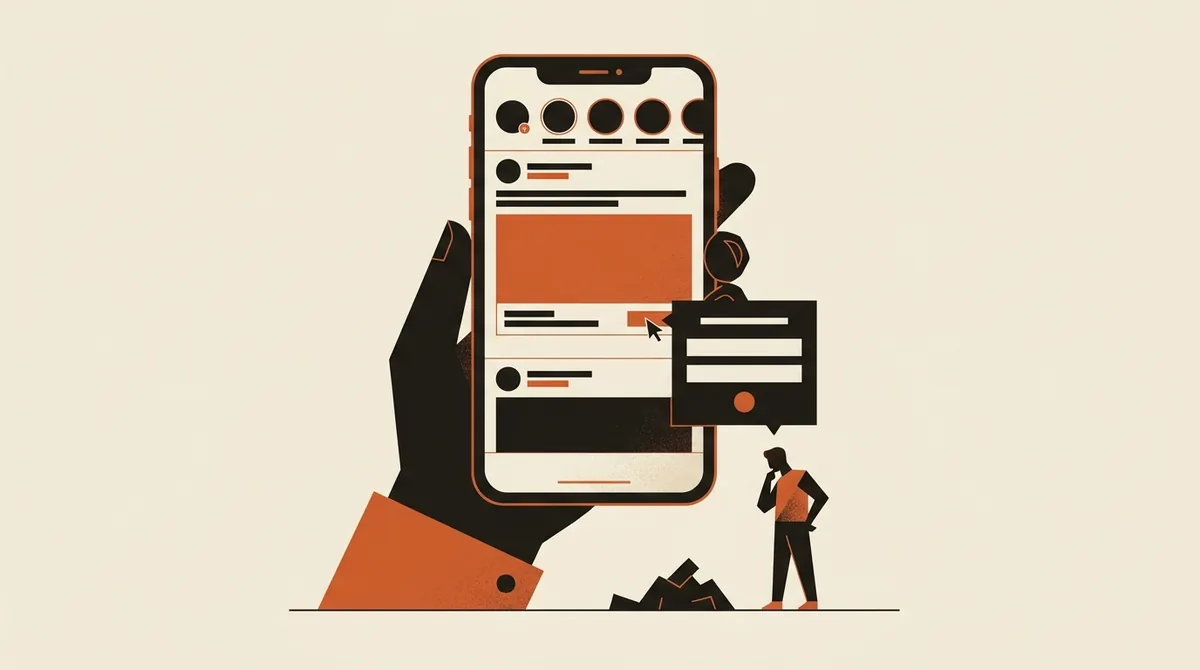
Why Meta Is Still the Most Efficient Channel for Generating Leads
Together, Facebook and Instagram post numbers no other paid channel in Italy can match for volume and cost. And here's an uncomfortable stat for Google fans: the average cost per lead on Facebook is roughly 60% lower than paid search. Not because Meta is magic, but because it captures latent demand, not just people who are already searching.
The difference from Google Ads is clear-cut. On Google, you intercept people who already have a problem and are typing in the solution. On Meta, you create the demand yourself, showing the product to people who weren't looking for it. You need both, but for filling the funnel with fresh contacts every day, Meta has the edge. For the full comparison, see lead generation with Google Ads.
One useful clarification: this channel works for both B2C and B2B, but the logic differs. If you sell to end consumers, you're in B2C lead generation territory. If you sell to businesses, the cycle is longer and the lead needs nurturing. Either way, the form mechanics stay the same.
Lead Ads: The Native Form That Removes Friction
The heart of lead generation on Facebook is the instant form. When someone clicks your ad, they aren't sent to an external landing page. A form opens inside the app, with name, email, and phone already filled in from their profile data. They just have to confirm.
This cuts out the exact point where you lose the most people: the page load, the form to fill in by hand, the hesitation. Completion rates rise noticeably compared to the classic redirect to a lead generation landing page.
One caveat, though. Less friction also means "lighter" leads. Someone who confirms a form in two seconds isn't always ready to buy. That's why the form needs to be designed with intent:
- High-intent form: add a custom question (budget, timeline, location) and a review screen. Fewer leads, much warmer ones.
- High-volume form: only the essential fields. Useful for remarketing, or when your downstream qualification process is already solid.
This choice isn't cosmetic. It determines what kind of contact you get and how much filtering work falls on you afterward. To understand the difference between just any contact and one who actually buys, read what a qualified lead: MQL, SQL really means.
Targeting in 2026: Creative Is the New Targeting
Everything has changed here over the past two years. Meta's algorithm has gotten so good at reading your creatives that it decides on its own who to show the ad to. Micro-targeting by interest — the kind with twenty hand-picked options — often makes results worse today.
The direction is broad targeting: a wide audience, few restrictions, and letting the AI do the work. Advantage+ Leads campaigns apply the same optimization engine used for sales campaigns, with a measurable result: advertisers who use quality-lead optimization see, on average, a 15% lower cost per qualified lead and a 44% higher lead-to-quality-lead conversion rate.
What this means for you in practice:
- Stop hand-segmenting by unlikely interests. Start broad.
- Feed the algorithm clean data: well-tracked conversion events and a CRM that responds fast (more on that below).
- Put your energy into creative, because that's where campaigns are now won or lost.
Targeting still matters in two cases: excluding existing customers and building lookalike audiences from your best real customers. Leave the rest to the machine.
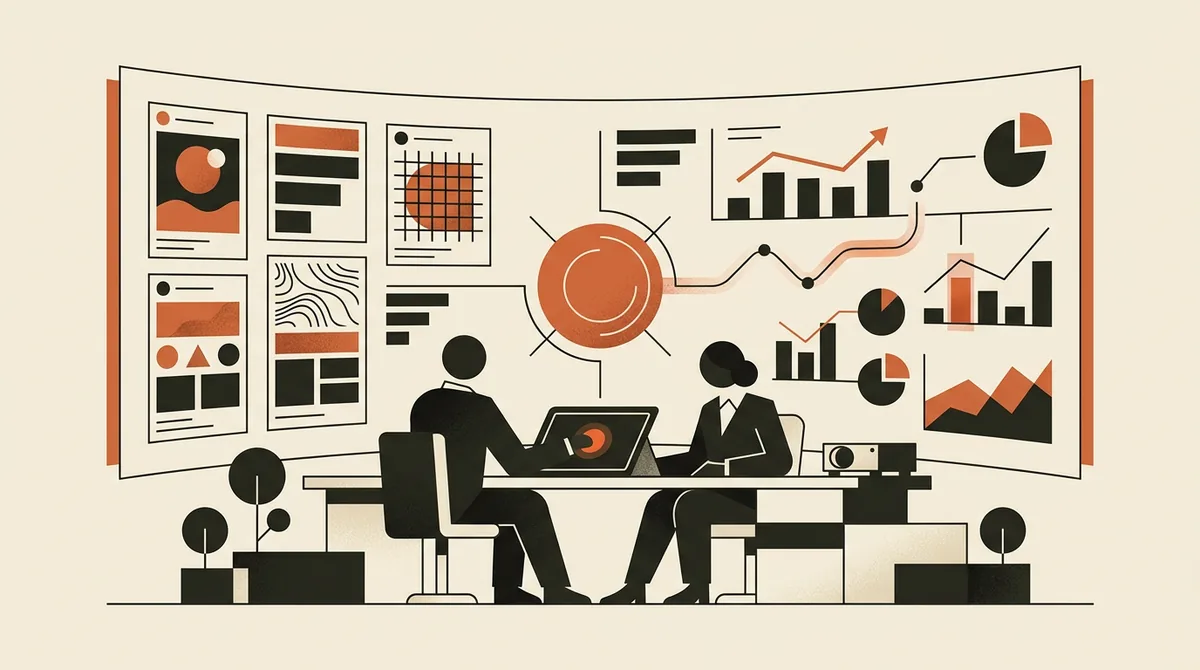
Creative: What Actually Gets People to Click the Form
If creative decides the targeting, that's where most of the work needs to go. A bad ad today isn't "saved" by a bigger budget — it just gets shown to a worse audience.
The rules that work are few, and tested:
- Hook in the first 3 seconds. If you haven't stopped the scroll by second three, you've lost.
- Vertical 9:16 format. Instagram Reels and Stories are where the attention is. Horizontal images waste inventory.
- Testing volume. Not two creatives — you need ten, twelve variants across different angles, offers, and formats. Two or three survive.
- Less "brand," more problem. The creative that converts talks about the customer's problem in the first few seconds, not about your logo.
Meta now lets you upload up to ten assets in a single ad set and assembles the best combination itself for every placement. Use that: your job is to feed it abundant, varied raw material, not one hand-crafted "perfect" creative.
How Much a Lead Costs on Facebook and Instagram
The real question. Cost per lead on Facebook swings a lot depending on the industry, but a realistic range in Italy runs €5 to €25 for B2C and €25 to €40 for B2B. Some concrete reference points:
- Fitness and aesthetics: among the cheapest, with a huge audience and low CPM. An aesthetics clinic can pull in 30–40 leads with a budget of around €400.
- Construction and windows/doors: around €10–15 per quote request.
- Legal and financial services: among the most expensive, because a single client is worth a lot. Here, a high CPL still stays profitable.
The number alone, though, is misleading. A €5 lead that never buys costs more than a €40 one that closes. Look at cost per customer, not per contact. For the full industry-by-industry benchmarks, read how much a lead (CPL) costs by industry.
CRM Integration: Where Amateurs and Professionals Part Ways
This is the piece almost every guide skips, and it's the one that actually separates burning budget from building a system.
A lead that lands in the CRM six hours later is a dead lead. Contacts from Meta need a response within minutes, not days. That means you need an automatic connection between Lead Ads and your management system, so every contact instantly triggers a sequence: welcome email, WhatsApp message, notification to sales.
But there's a second, more strategic reason. By feeding Meta the signal of which leads actually became real customers, you teach the algorithm to look for buyers, not just form-fillers. The CRM becomes the campaign's nervous system. Without this feedback loop, Meta optimizes blind for form volume, and volume alone doesn't pay the bills.
The flow we recommend building is simple in form, powerful in substance:
- Lead submitted on Facebook or Instagram, fed into the CRM in real time.
- Automatic qualification: a step that filters, enriches, and scores the lead before it bothers a human.
- Immediate multichannel follow-up (email plus WhatsApp) while the contact is still warm.
- Conversion signal fed back to Meta to sharpen future targeting.
Automating this qualification is exactly the kind of system we build with AI applied to lead generation. And to understand how to filter incoming contacts without wasting time on the wrong ones, see how to qualify leads.
Want Meta campaigns that bring real contacts, not just clicks? We build the complete system, from Lead Ads to a CRM that responds in real time. Let's talk about it with AstraLoop.
The Mistakes That Blow Up Your CPL
Before you launch, avoid the traps we see most often:
- No fast follow-up. You collect leads and call them back two days later. It's the fastest way to waste budget.
- Targeting too narrow. Twenty hand-picked interests suffocate the algorithm. Go broad.
- Two creatives and done. Without testing volume, you don't know what works — you're just guessing.
- Form too easy with no downstream qualification. You fill up on cold contacts and your sales team loses morale.
- GDPR ignored. Data collected through Meta requires a proper privacy notice and valid consent. It's not a bureaucratic detail — it's the condition for actually being able to use it.
Lead generation on Meta isn't a "boost post" button. It's a system made of forms, creative, broad targeting, and above all, a CRM that responds in real time. Whoever puts these pieces together pays less per lead than the competition, and closes more of them.
Meta is one channel within a bigger strategy. For the full picture, start with our pillar guide to B2B lead generation and how to build the lead generation funnel around these campaigns. If you'd rather have an AI agency build it for you turnkey, see what an AI lead generation agency does.
Frequently asked questions
How much does it cost to generate a lead with Facebook and Instagram?
It depends on the industry. In Italy, a B2C contact averages between €5 and €25, while B2B runs €25-40. Fitness and aesthetics are among the cheapest, legal and financial services among the priciest. What matters, though, is cost per real customer, not per single contact.
Are Lead Ads better than sending traffic to a landing page?
Native-form Lead Ads have higher completion rates because the user never leaves the app and finds the data pre-filled. A landing page makes sense when you need to explain a more complex offer or filter better. Often it's worth testing both.
Do I still need detailed interest-based targeting?
In 2026, almost never. Meta's algorithm performs better with a broad audience and Advantage+ Leads campaigns. Manual targeting is still useful only for excluding existing customers and for building lookalike audiences from your best customers.
Why do I need to integrate Meta with my CRM?
For two reasons. First, leads need to be contacted within minutes, and only automation guarantees that. Second, by feeding Meta the signal of who becomes a real customer, you teach the algorithm to look for buyers, not just form-fillers. Without a CRM, the campaign optimizes blind.
Are Facebook Lead Ads GDPR-compliant?
The tool allows for it, but the responsibility is yours. You need a proper privacy notice linked to the form and valid consent for processing. Without it, the data you collect can't be legitimately used for sales follow-up.
If you want to turn Facebook and Instagram into a steady source of qualified customers, AstraLoop designs and manages the entire system: creative, targeting, forms, and integration with your CRM. Write to us at astraloopstudio@gmail.com.