B2B Cold Emails: How to Write Ones That Get Replies in 2026
8 min read · AstraLoop Studio
Open your inbox and count the cold emails that landed this week. Then count how many you read all the way through. The ratio between those two numbers is the real problem with outbound: most B2B cold emails aren't ignored because the channel is dead, but because they're written like a flyer instead of a message from one person to another.
In 2026, a decision maker's inbox is more crowded and better defended than ever. AI-trained spam filters, Apple Mail blocking tracking pixels, and chronic fatigue over yet another "got 15 minutes for a virtual coffee?" And yet cold email remains one of the cheapest ways to book B2B meetings, if you treat it as a sales tool rather than a number to multiply.
In this guide you'll find the framework that gets replies (trigger, relevance, one question, zero pitch), realistic 2026 benchmarks, and the right way to automate without sounding like a robot. It's one of the pillars of copywriting for customer acquisition.
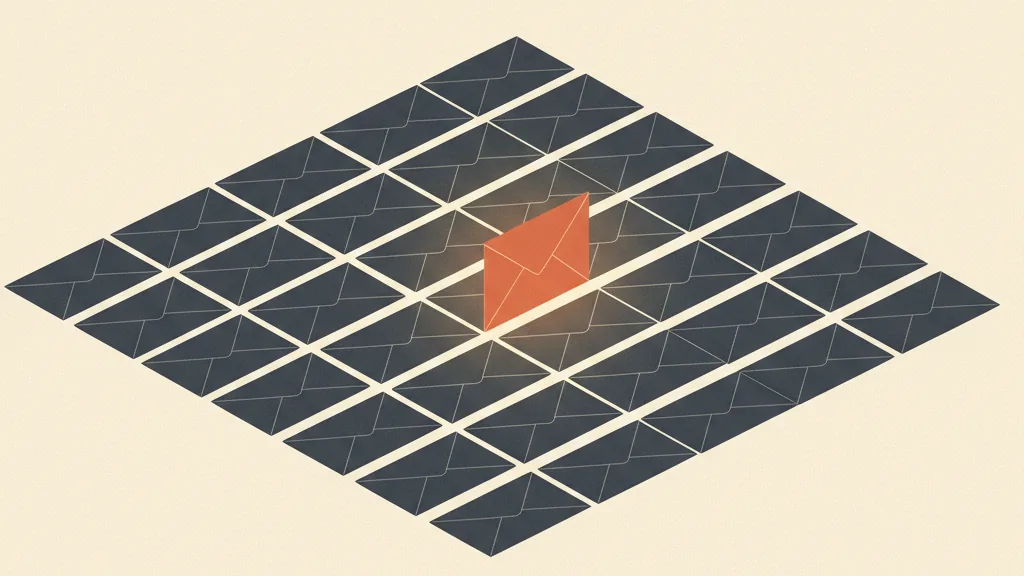
Why most B2B cold emails get ignored
Before writing the one that works, you need to understand why the others fail. In practice, almost all cold emails make the same four mistakes.
- They talk about you, not about them. "We are a leading company specializing in..." The recipient doesn't care who you are until they understand what it has to do with their problem.
- They ask for too much, too soon. Thirty minutes of demo time for a stranger is a very steep price for an unsolicited message.
- They give no reason to reply now. Without a hook tied to something current for the recipient, the most rational response is "later".
- They're too long. Three paragraphs on desktop become a wall of text on a phone, where more than half of emails get read.
The good news: it only takes a few rules to land in the group that gets replies. And it's a small group, so the advantage is real.
B2B cold email benchmarks for 2026
Honest numbers, because calibrating expectations is half the job. These ranges apply to cold outbound campaigns to well-built lists, not to transactional emails or contacts who already know you.
| Metric | Typical 2026 range | Well-run campaign |
|---|---|---|
| Open rate | 25-45% | 50%+ (an unreliable figure due to pixel blocking) |
| Reply rate | 1-5% | 8-15% |
| Positive replies | 0.5-2% | 3-5% |
| Meetings booked | 0.3-1% | 1-3% |
In concrete terms: for a list of 1,000 well-profiled contacts, a well-run campaign can generate 80-150 replies, dozens of useful conversations, and a handful of real meetings. The open rate matters less and less (Apple and various filters inflate or zero out the figure), so the metric to focus on is replies, not open rate. If you want to compare these numbers against other channels, see also the data on B2B lead generation as a whole.
The framework: trigger, relevance, one question, zero pitch
Every cold email that gets a reply rests on four pillars. None of them is optional.
1. The trigger: a reason to write right now
The trigger is the event that justifies your message at this exact moment: a new hire in the marketing department, a funding round, a new office opening, a CEO's post, a product launch, a job posting that reveals a priority. The trigger turns a "cold" email into a "warm" one, because it shows you're writing to them specifically, not to ten thousand addresses.
2. Relevance: show you've done your homework
After the trigger, connect their world to the problem you solve. One line that shows you understood their context is worth more than ten lines of features. Example: "I saw you're hiring three sales reps — that usually means the follow-up load is already straining the team." Concrete, specific, theirs.
3. One single question
Close with a single, low-friction question, not a request for half an hour. "Worth a quick look?" or "Are you the right person to talk to about this?" cost the recipient ten seconds and a one-word reply. The actual conversation happens later, not in the first email.
4. Zero pitch
The first email doesn't sell: it opens a conversation. No pricing, no feature list, no demo link. Your only goal is to get a "yes, tell me more". The pitch, if anything, comes when they ask for it. That's the difference between a message and an ad in disguise.
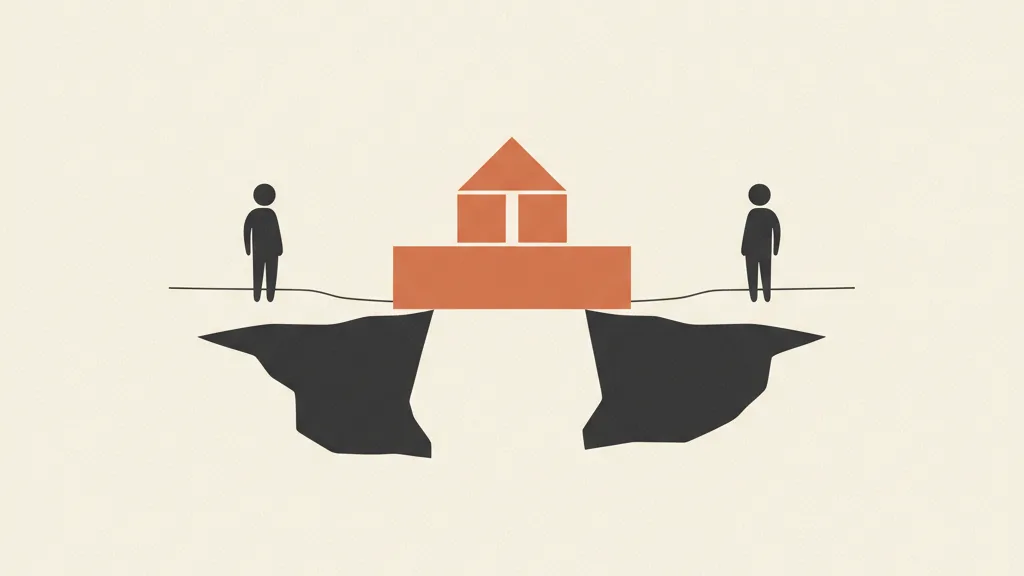
Anatomy of a cold email that works
Let's put the four pillars together. Here's the structure, line by line, of a 70-90 word email (the length that converts best in B2B).
Subject line: short, concrete, no spam words. "3 new sales reps" beats "Innovative solution for your growth".
Hook (trigger): "Hi Marco, saw the posting for three new sales reps on your team."
Relevance: "Usually, when you scale that fast, inbound leads sit unanswered for hours and some go cold."
Value bridge (one line, not a pitch): "We help teams like yours respond to and qualify leads automatically, so reps only talk to people who are ready."
One question: "Worth me sending a couple of lines on how it works?"
Notice what's missing: no price, no slide deck, no "we're a leader". The subject line deserves its own attention, since it decides whether the rest gets read: if you want to dig deeper, we have a dedicated guide on subject lines that work and drive opens.
The follow-up is where it's won or lost
Most replies don't come from the first email, but from the second or third touch. Whoever gives up after a single send leaves the most profitable part of the campaign on the table. The practical rule: 3-5 touches spread over 2-3 weeks, each with a different angle, never a plain "just following up".
- Follow-up 1 (after 3 days): add a data point or a small concrete case.
- Follow-up 2 (after 5 days): change angle, touch a different problem.
- Follow-up 3 (after a week): the "break-up" email, close gracefully ("If now's not the moment, no worries, I'll close this thread here").
Ironically, the closing email is often the one that generates the most replies, because it removes the pressure. Managing this cadence by hand across hundreds of contacts is impossible: it's the first place where it pays to automate sales follow-ups.
Want a cold email flow that fills your calendar with meetings instead of the spam folder? Tell us about your target and we'll build the right outbound sequence together.
Deliverability: if you land in spam, the copy doesn't matter
You can write the perfect email, but if it doesn't reach the primary inbox, nobody reads it. In 2026, deliverability is the real bottleneck of outbound, more than the copy. Three technical foundations aren't negotiable.
- Domain authentication. Set up SPF, DKIM, and DMARC correctly: without them, providers treat you as suspicious from the start.
- Domain warm-up. A brand-new domain can't send 500 emails a day right away. You need to warm up the sending domain by ramping volume gradually over weeks.
- Volume and list hygiene. Use a secondary domain dedicated to outbound (never your main company domain), keep volume per inbox low, and clean out invalid addresses so you don't burn your reputation.
The golden rule: better 30 emails a day that land, than 500 that end up in the filter.
How to automate without sounding like a robot
Automation doesn't mean mass spam. It means replicating at scale what a good salesperson does: finding the right trigger, writing a genuinely personalized opening line, sending at the right moment, and following the follow-up cadence without forgetting it. AI helps exactly here, on personalizing the opening line and researching signals, not by replacing thought with a single template blasted to everyone.
The typical setup that works: a well-profiled list built upstream, a CRM that tracks every conversation, a sending tool that manages sequences and follow-ups, and an AI layer that personalizes the opening line contact by contact. That's the difference between "sending a lot of emails" and building an automated customer acquisition system that fills the calendar predictably.
Cold email or LinkedIn?
It's not an either-or. Cold email scales better and costs less per contact; LinkedIn builds more context and warms up cold prospects before the message. The best sequences combine both: a profile visit, then the email with the trigger, then possibly a short LinkedIn message as reinforcement. We compared the two channels in detail in cold email vs. LinkedIn, including when one beats the other.
The mistakes that kill replies
- Fake personalization. Inserting just a name and company isn't personalization: the recipient spots it instantly.
- Salesy subject lines. "Unmissable opportunity" and the like trigger both filters and distrust.
- Too many links and images. They hurt deliverability and read like a newsletter, not a personal message.
- No follow-up. Giving up after the first email means throwing away 60-70% of the potential.
- A bought list. Old, unprofiled addresses burn your domain and produce zero meetings.
Cold emails that get replies aren't more aggressive than the rest: they're more relevant, shorter, and more honest. A real trigger, a line that shows attention, a single question, and no pitch. Everything else (deliverability, sequences, automation) is the infrastructure that makes that message repeatable across thousands of contacts without losing its quality.
Frequently asked questions
What's a good reply rate for a B2B cold email?
In 2026, a well-targeted cold campaign gets between 8% and 15% replies, with 0.5-2% positive replies. Below 3% replies, the problem is almost always the list or the relevance, not the channel.
How long should a B2B cold email be?
The best ones run 50 to 125 words, readable in under 15 seconds on a phone. One trigger, one line of relevance, one question. The more you add, the more you dilute the reply.
How many follow-ups should I send?
3 to 5 messages spread over 2-3 weeks, each with a different angle. Most replies come after the first send, and the closing email is often the one that converts best.
Are B2B cold emails legal under GDPR?
It's a sensitive topic: many rely on legitimate interest to contact professional business contacts, always offering a clear way to opt out and never using illegally collected data. Italy's Data Protection Authority is strict on unsolicited marketing, so for your specific case it's worth checking with a legal advisor.
Cold email or LinkedIn: which is better for B2B?
It depends on the goal: cold email scales better and costs less, LinkedIn warms up cold contacts. The most effective sequences combine both channels instead of picking just one.
How do I keep cold emails out of spam?
Set up SPF, DKIM, and DMARC, use a dedicated secondary domain, warm it up by ramping volume gradually, and keep sends low per inbox. Deliverability matters more than the copy.
If you'd rather have a proven system write, send, and follow up on your cold emails for you, let's talk: we'll show you how AstraLoop's outbound works.